
Current issues regarding russia’s liability under international law for its aggression against Ukraine
September 22, 2026
Kharkiv / online
13:00 – 16:00 (EEST)
The armed aggression by the Russian Federation, which began on 19 February 2014 with undeclared and covert incursions into Ukrainian territory by units of the armed forces and other security agencies of the Russian Federation, as well as through the organisation and support of terrorist activities, and which, on 24 February 2022, escalated into an unprovoked and full-scale armed invasion of the sovereign territory of Ukraine, constitutes not only a gross violation by Russia of the fundamental principles of the United Nations, as enshrined in Articles 1 and 2 of the UN Charter, but also has led to the commission of thousands of international crimes by Russian officials and members of the Russian armed forces.
Consequently, the question clearly arises as to the need to hold Russia, as a state, accountable under international law, and to hold Russian citizens criminally liable under international law for the international crimes they have committed.
At the same time, Russia has a history of abusing the provisions of international law to evade international legal responsibility. In order to safeguard the international legal order, establish a just peace and hold Russia accountable under international law, a number of institutional and jurisdictional obstacles must be taken into account:
Gaps in the ICC’s jurisdiction: Russia signed the Rome Statute of the ICC in 2000 but never ratified it. In 2016, the ICC published a report in which it equated the annexation of Crimea with an occupation. In response, in November 2016, by order of the President of the Russian Federation, Russia officially withdrew its signature from the Rome Statute of the ICC. However, the withdrawal of its signature does not mean that the ICC cannot investigate crimes committed by Russians. On the basis of unilateral declarations by Ukraine, the ICC has jurisdiction over crimes committed on Ukrainian territory, which has enabled the Court to issue arrest warrants for members of the Russian Federation’s leadership.
Status of the UN Security Council: Russia has the right of veto in the UN Security Council, which blocks any decisions regarding the establishment of a mandatory international tribunal through this body.
Personal immunities: Heads of state, prime ministers and foreign ministers enjoy immunity under international law from arrest and prosecution in the national courts of other countries whilst in office.
Sovereign immunity of property: Russian state property abroad is protected by immunity from compulsory enforcement, which makes it difficult to transfer frozen assets to Ukraine without specific legislative decisions by Western countries.
Documentation and assessment of damages: the scale of the destruction inflicted by Russia on Ukraine makes it difficult to carry out a comprehensive, reliable and prompt international assessment of the damage caused, with a view to making final claims for reparations.
Lack of an enforcement mechanism: even if decisions are handed down by international courts or commissions, there is no effective global mechanism to compel the aggressor state to comply with these decisions and pay compensation.
This therefore raises the question of developing and applying mechanisms under international law to ensure that the Russian Federation cannot evade its international legal responsibility, which is, in fact, the aim of this panel discussion.
Moderator
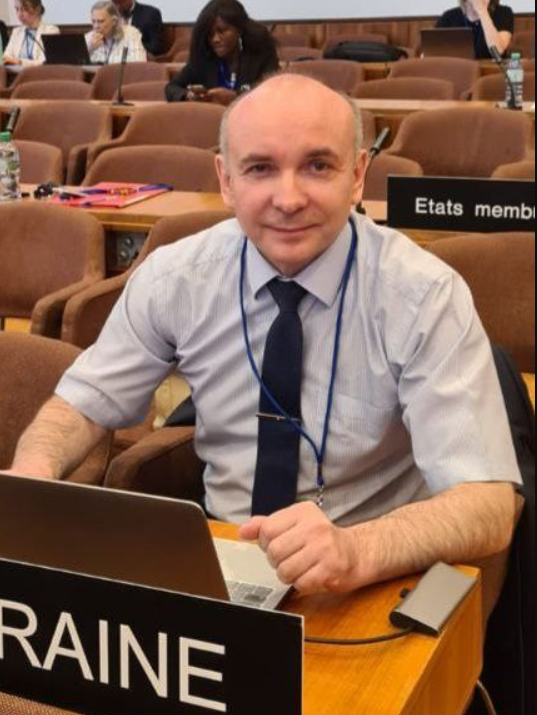
Volodymyr Steshenko
Candidate of Legal Sciences, Professor, Chair of the Department of International Law at the Yaroslav Mudryi National Law University
Welcome Remarks
Oleksiy Nesterovich
Vice Rector for Academic Affairs of the Yaroslav Mudryi National Law University, Ph.D., Associate Professor
Petro Tokar
Chief of the Main Department of the National Police in Kharkiv Region, Third-rank Police General, Doctor of Philosophy
Speakers
Prominent legal experts and leaders of Ukraine and the world
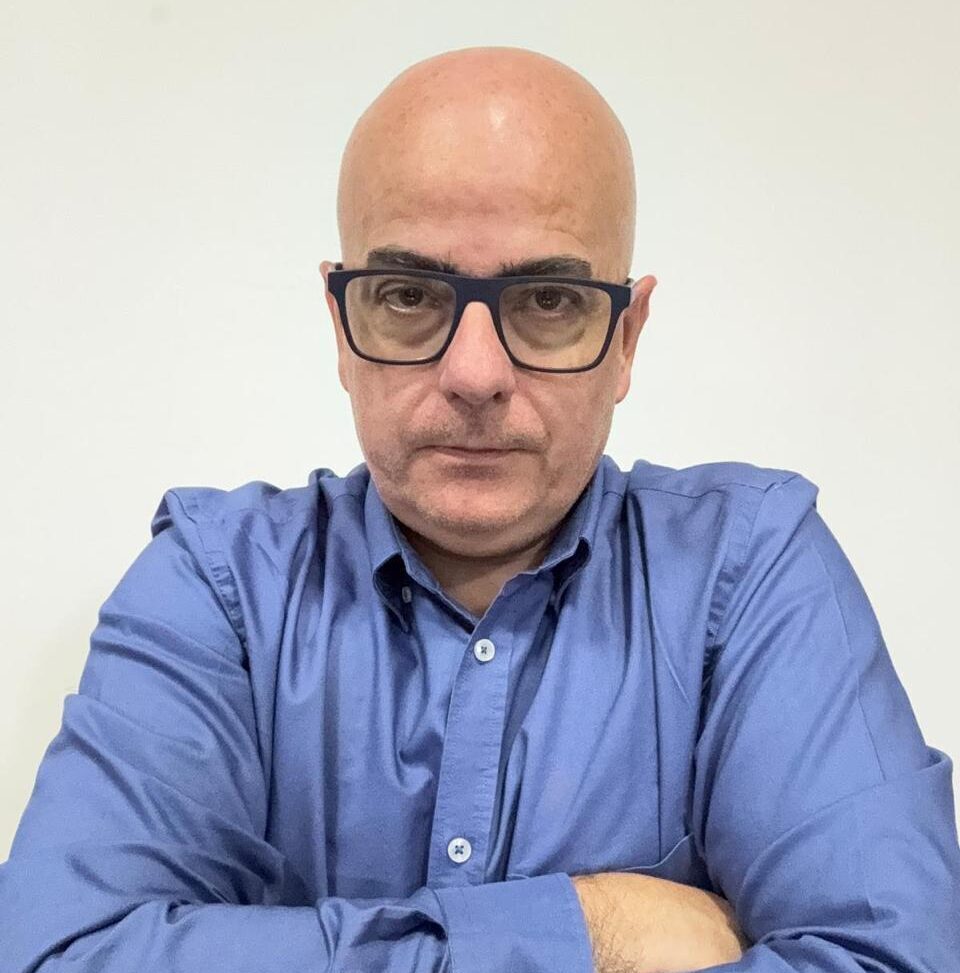
Claudio Pala
PhD, Head of the International Crimes Component at the EU Advisory Mission (EUAM) Ukraine and Deputy Lead Coordinator of the Atrocity Crimes Advisory Group (ACA). Co-Chair of the American Society of International Law (ASIL) Interest Group on Transitional Justice and the Rule of Law, and Member of the Coordinating Committee of the European Society of International Law (ESIL) Interest Group on International Criminal Justice
The Long Tail of Accountability: International Crimes, Prioritisation and Transitional Justice after War
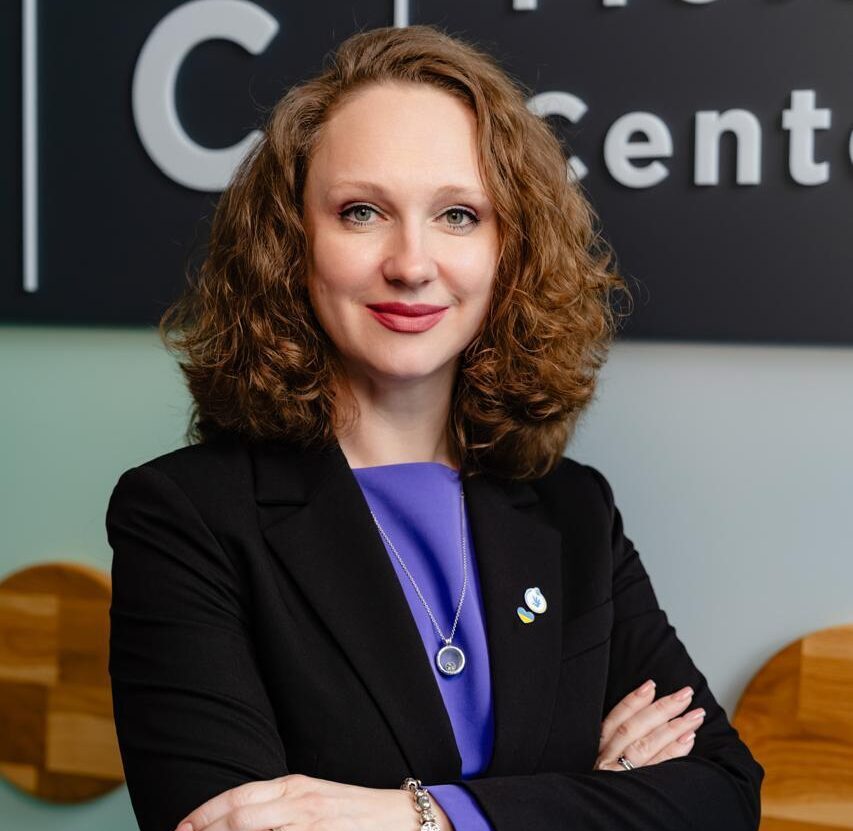
Oksana Cherviakova
Representative of Commissioner for Children’s Rights, PhD, associate professor. Head of the working group on ensuring the rights and return of children affected by armed conflict, established within the framework of the Interagency Commission on the Application and Implementation of International Humanitarian Law in Ukraine; Member of the Interagency Commission on verification of information concerning unlawful deported or forcibly Transferred Children
Transitional Justice in Ukraine: International Experience and Ukraine’s Path Forward
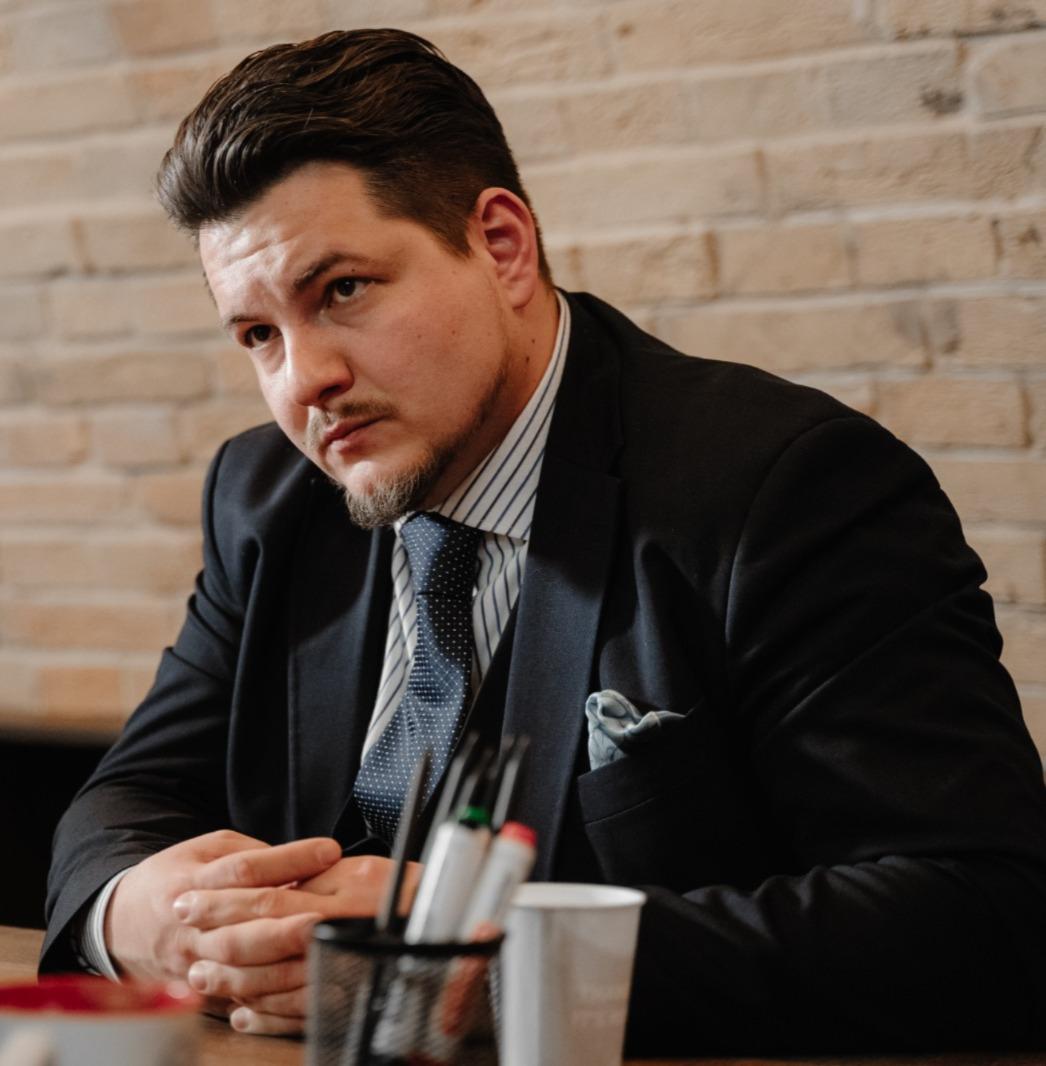
Mykola Yurlov
International lawyer. Ukraine’s key negotiator on the Convention establishing an International Claims Commission for Ukraine, the Special Tribunal for the Crime of Aggression against Ukraine, russia’s immobilised sovereign assets, the ratification of the Rome Statute, and the suspension of the Ottawa Convention. Former senior diplomat, previously Deputy Director of the Department of International Law at the Ministry of Justice
A negotiator’s perspective on how Ukraine built the Special Tribunal and the compensation mechanism, fought for Russian assets, negotiated the security agreements and suspended the Ottawa Convention
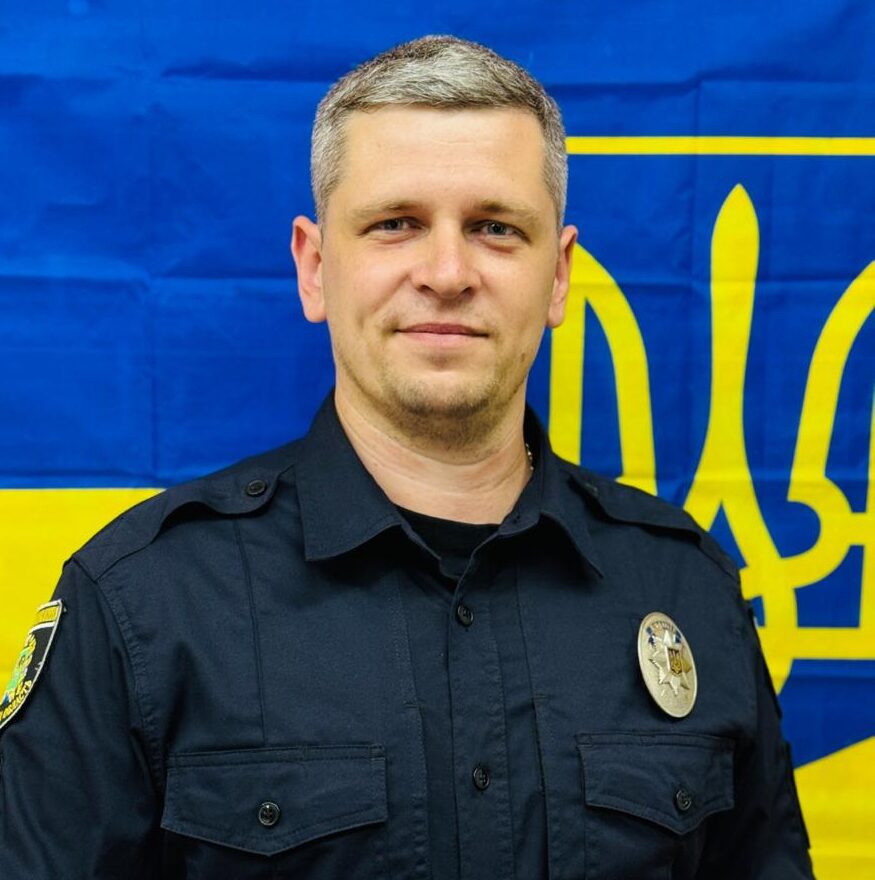
Oleksandr Kobyliev
Head of the Division for the Investigation of Crimes Committed in the Context of Armed Conflict, Investigative Directorate of the Main Department of the National Police in Kharkiv Region; Police Lieutenant Colonel
Documenting War Crimes as a Fundamental Basis for Assessing the Damage Inflicted
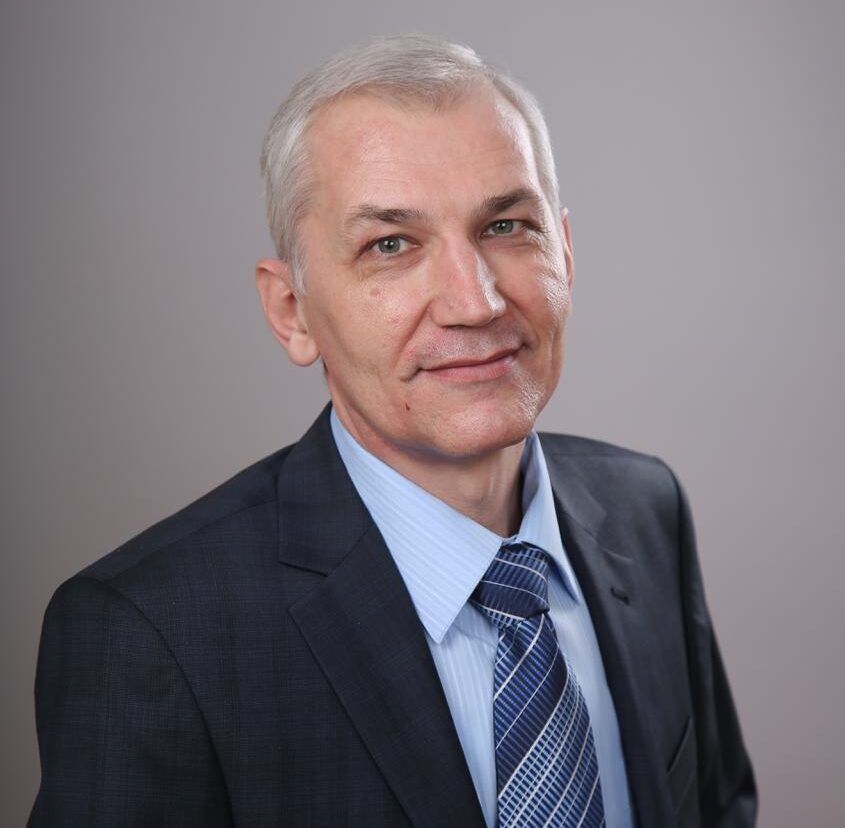
Oleh Tarasov
Doctor of Law, Professor, Associate Professor in the Department of International Law at the Yaroslav Mudryi National Law University
From Legal Fakes to International Responsibility: Deconstructing Russian Pseudo-Juridical Myths
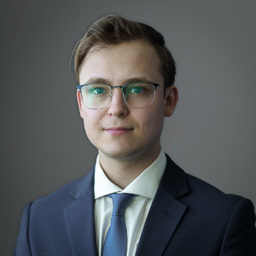
Dmytro Cherneha
LLM, Researcher, T.M.C. Asser Institute. Before taking on his current position, he conducted research in the field of business and human rights and worked as an analyst at the Platform for Peace and Humanity
Corporate role in Russia’s war on Ukraine: From accountability to reparations?
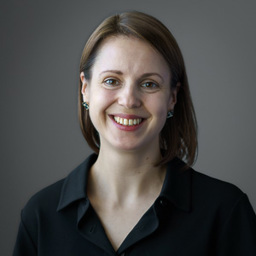
Gabriele Chlevickaite
Senior Researcher in International Criminal Law and Project Coordinator at MATRA-Ukraine 2025-2029 and Restoring Dignity and Justice in Ukraine (Asser component). Previously, she served as an Associate Professor of empirical and normative research at Vrije Universiteit Amsterdam (VUA) from 2021 to 2023 and was Co-director of the Center for International Criminal Justice (CICJ)
The Crime of Aggression: Mapping the Accountability Landscape
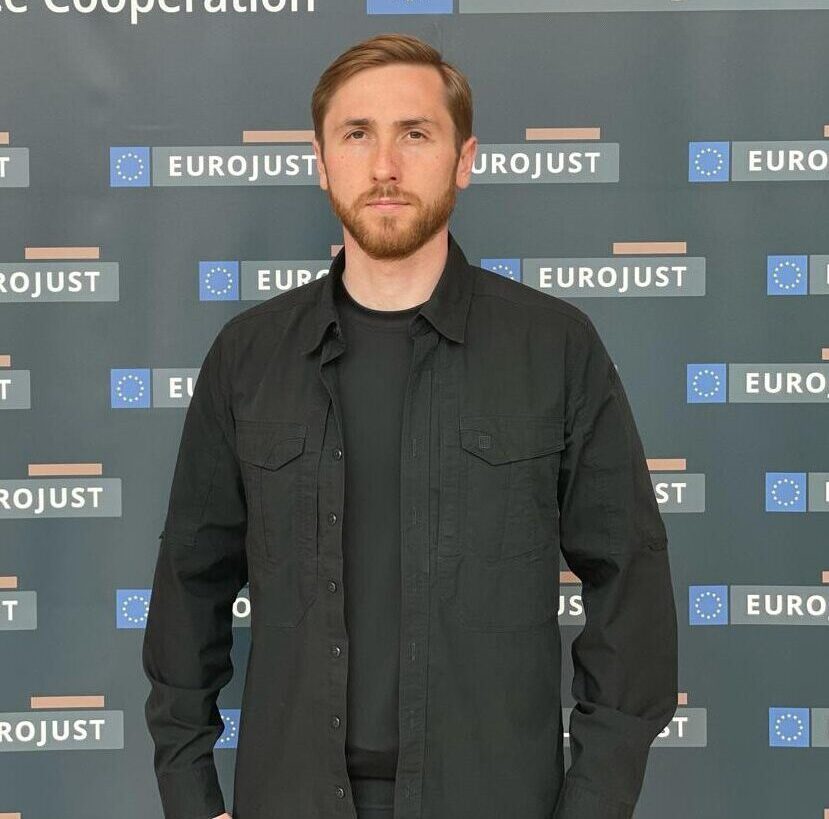
Oleksandr Bannyk
Deputy Head of the Department for International Cooperation of the Prosecutor General’s Office. Member of the international joint investigation team investigating the crash of the passenger plane flight MH 17. Member of the international joint investigation team investigating the aggression of the Russian Federation and its war crimes committed on the territory of Ukraine. Major of Justice (retired). Merited Lawyer of Ukraine
Investigation of the crime of aggression of the Russian Federation and its war crimes committed on the territory of Ukraine
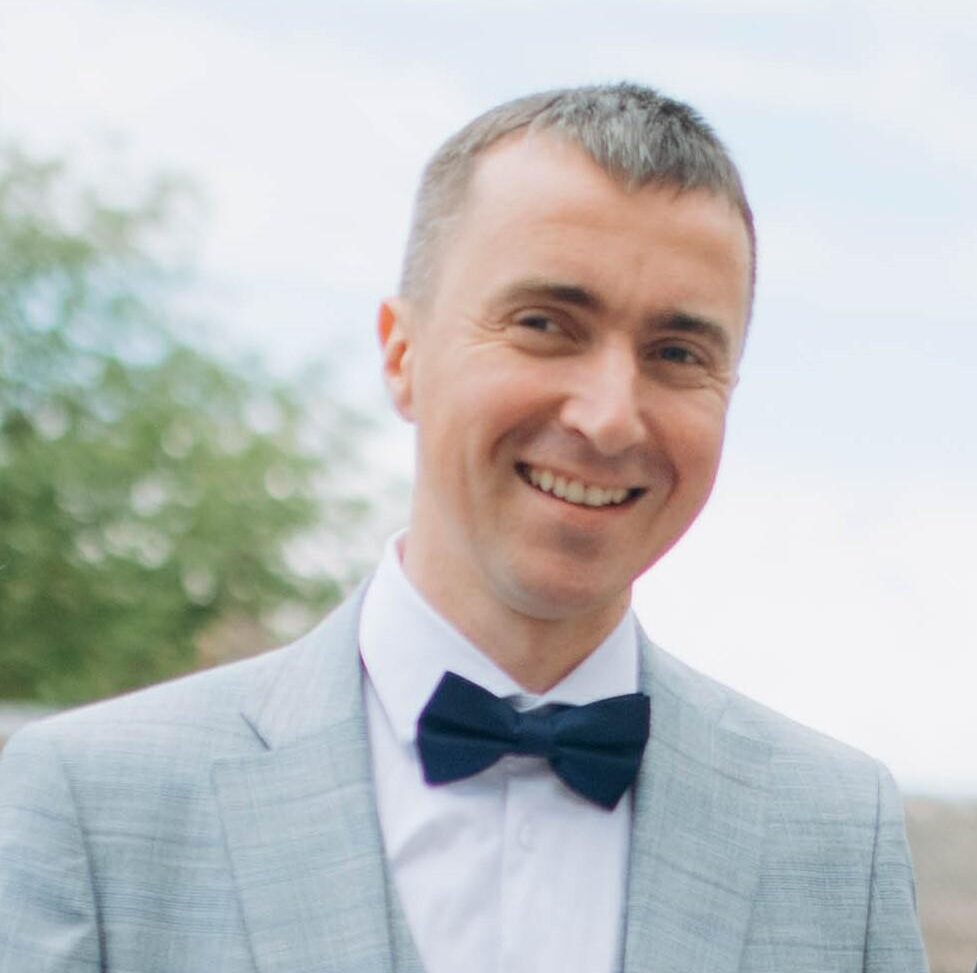
Vitalii Gutnyk
Doctor of Juridical Science, Professor of the International Law Department of Ivan Franko National University of Lviv
The Aggression of the Russian Federation Against Ukraine: Challenges in the Fight Against Impunity for International Crimes Within the Framework of International Criminal Justice
James Patrick Sexton
LL.M., PhD Researcher, T.M.C. Asser Institute; Managing Editor, Yearbook of International Humanitarian Law
The Use of Targeted Sanctions as a Response to Atrocity Crimes in Ukraine
Thomas Körner
Head of Legal Unit – EUAM International Crimes Component
Ukraine’s adjudication of international crimes and its influence on international criminal law