
Ecocide as a Crime Against the Future: Global Challenges and Ukraine's Experience
September 25, 2026
Kharkiv / hybrid
10:00 – 13:00 (EEST)
Environmental crises caused by climate change and wars pose a challenge to the law: Is it capable of responding to the destruction of ecosystems, the consequences of which will be felt for generations to come?
Anthropocentric mechanisms for the protection of human rights and international humanitarian law reveal normative limitations: the high threshold of Article 8(2)(b)(iv) of the Rome Statute leaves cases of catastrophic environmental impact unaccounted for, and in peacetime, transboundary harm is limited to civil compensation.
In September 2024, Vanuatu, Fiji, and Samoa submitted an amendment to the Rome Statute to recognize ecocide as the fifth international crime. At the same time, Directive (EU) 2024/1203 introduced a specific offense described in its preamble as “comparable to ecocide,” with a transposition deadline of May 21, 2026.
Ukraine is at the epicenter of this transformation: the application of Article 441 of the Criminal Code of Ukraine, the documentation of the consequences of the bombing of the Kakhovka Hydroelectric Power Plant, soil and water contamination, the laying of landmines, and the work of the Register of Damages are shaping a body of practice capable of influencing global approaches to environmental justice.
The main purpose of the panel
To bring together Ukrainian and international scholars, practitioners, representatives of the judiciary, and non-governmental organizations to assess the prospects for criminalizing ecocide, develop recommendations for harmonizing national, European, and international environmental law, and unite the legal community in advocating for environmental justice.
Key topics for discussion:
– The Evolution of the Concept of Ecocide: From Anthropocentric Protection to the Recognition of the Intrinsic Value of Ecosystems.
– The Rome Statute and the Pacific States Amendment: the criteria of “serious, widespread, and long-lasting harm” and the challenges of implementation.
– The European dimension: a qualified offense under Article 3(3) of Directive (EU) 2024/1203 or an autonomous offense of ecocide—what models of criminalization are being discussed for Ukraine, and how do they relate to Article 441 of the Criminal Code?
– Article 441 of the Criminal Code of Ukraine in Practice: Proving Intent, Assessing Cumulative and Long-Term Damage, Satellite Monitoring, and Documenting Damage During Wartime.
– Mechanisms for reparations, ecosystem restoration, and the accountability of corporate and government entities.
Expected Results
Recommendations for improving Article 441 of the Criminal Code of Ukraine; an analytical note on Ukraine’s position regarding the amendment on ecocide; a collection of panel materials; and expanded cooperation between Ukrainian and European institutions.
Support Program
The event will be accompanied by the art project “Ecocide,” which illustrates the scale of the losses and engages the public in a dialogue about the future of nature and justice.
The panel was organized by the Center for Sustainable Development and Environmental Protection with support from FORMAS (the Swedish Research Council for Sustainable Development), grant No. 2024-00299, and as part of the RE-GREEN project (Advancing European Green Deal Implementation in Ukraine, 101176210), funded by the EU’s Erasmus+ program.

Moderator

Ievgeniia Kopytsia
Associate Professor, Candidate of Legal Sciences, Department of Environmental Law, Yaroslav Mudryi National Law University
Speakers
Prominent legal experts and leaders of Ukraine and the world
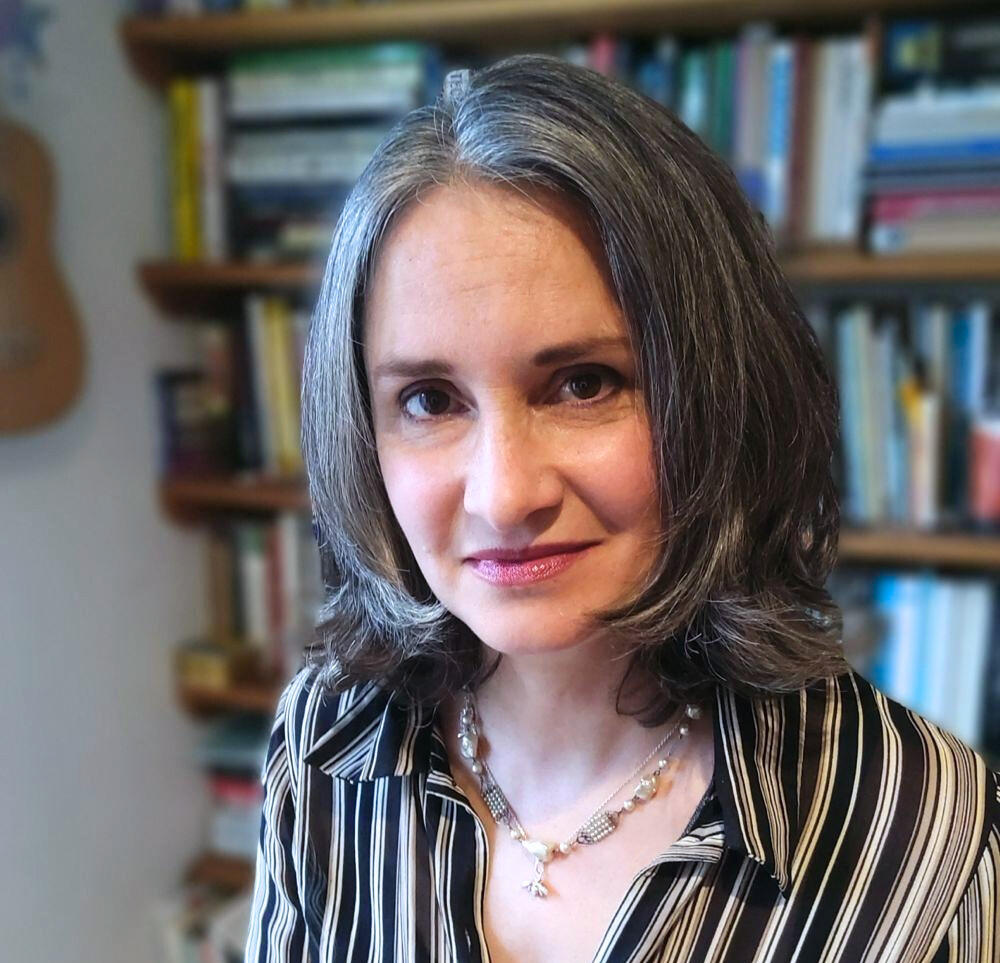
Jojo Mehta
Co-Founder and CEO of Stop Ecocide International (SEI), the central hub of the global movement working to establish legal recognition of ecocide. She co-founded the organisation in 2017 with pioneering barrister and legal advocate Polly Higgins (1968–2019)
Ecocide and Its Growing Importance in International Law
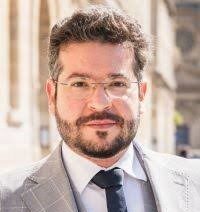
Djalma Alvarez Brochado Neto
Assistant Professor of Criminal and Procedural Law at Centro Universitário Christus; Postdoctoral Fellow at the Federal University of Ceará, Brazil
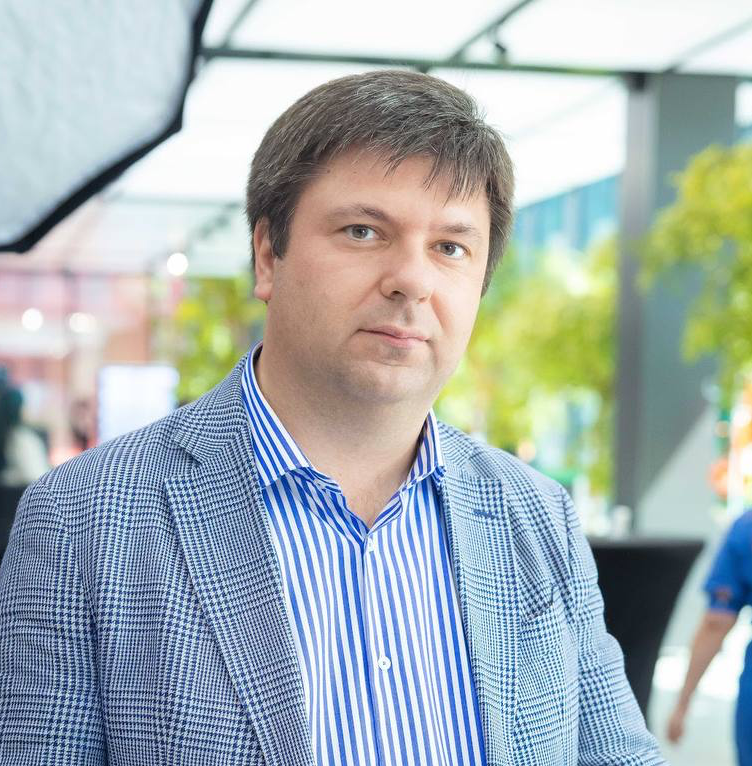
Viktor Checherskyi
Head of the Organizational and Analytical Department of the Specialized Environmental Prosecutor’s Office of the Prosecutor General’s Office of Ukraine; Doctor of Law, Associate Professor, Professor at the Department of Theory and History of State and Law, National Academy of Management (Kyiv, Ukraine)
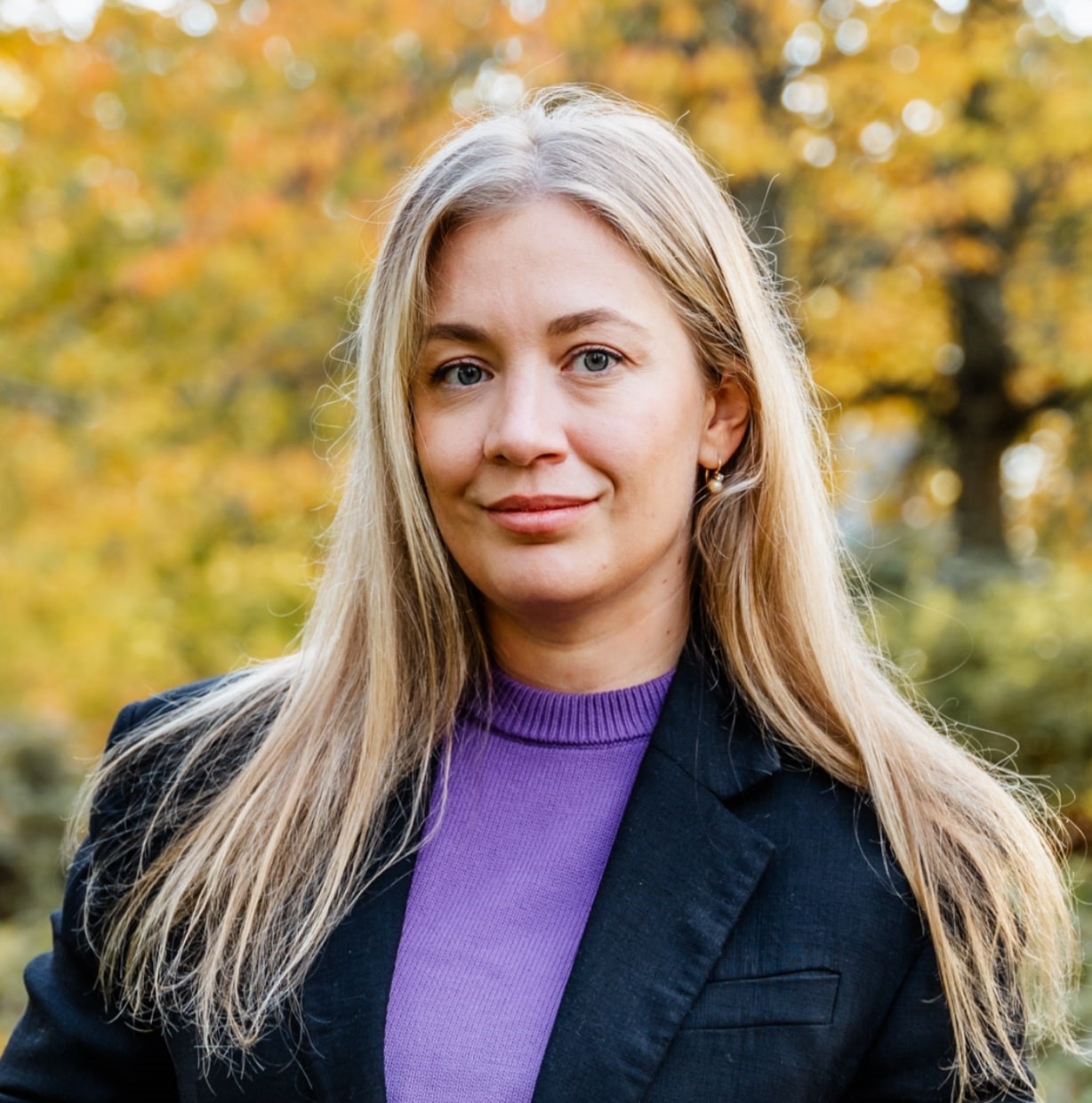
Rinata Kazak
Lecturer at Linköping University; Researcher at the Centre for Climate Science and Policy Research (CSPR), Sweden
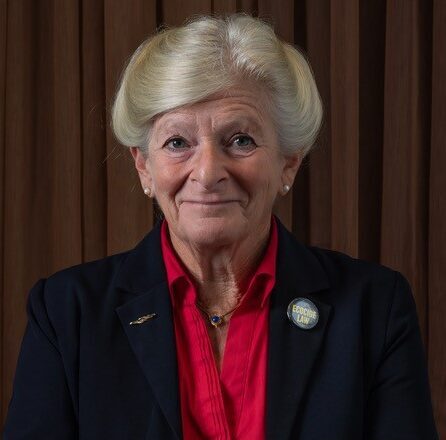
Monica Schüldt
Co-Founder, Ecocide Law Alliance (Sweden)
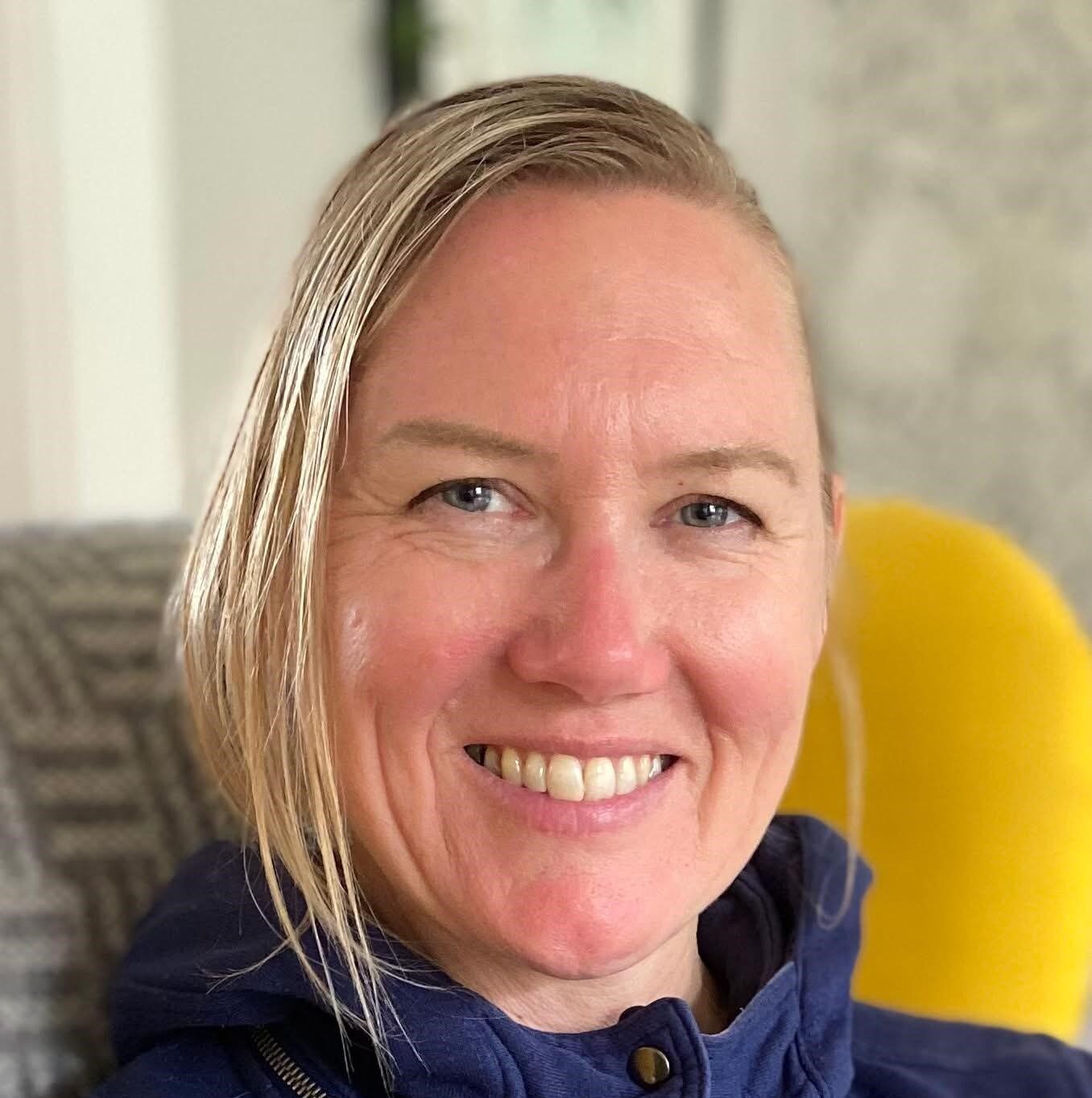
Pia Björstrand
Pia is a defence lawyer who specialises in defending climate activists. She has been engaged in the climate movement for more than 20 years and been chair in several environmental organisations. At the present moment she is the chairwoman of End Ecocide Sweden as well as a board member of ”Naturarvet”, a NGO that works to preserve old nature forests in Sweden. She is also engaged in the movement for Nature’s Rights
Andriy Kalnytskiy
Prosecutor of the Specialized Environmental Prosecutor's Office of the Kharkiv Regional Prosecutor's Office
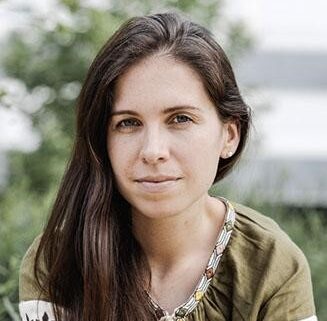
Anna Ackermann
Policy Analyst, International Institute for Sustainable Development (IISD); Coordinator of the Build Ukraine Back Better Platform; Board Member of the Centre for Environmental Initiatives Ecoaction
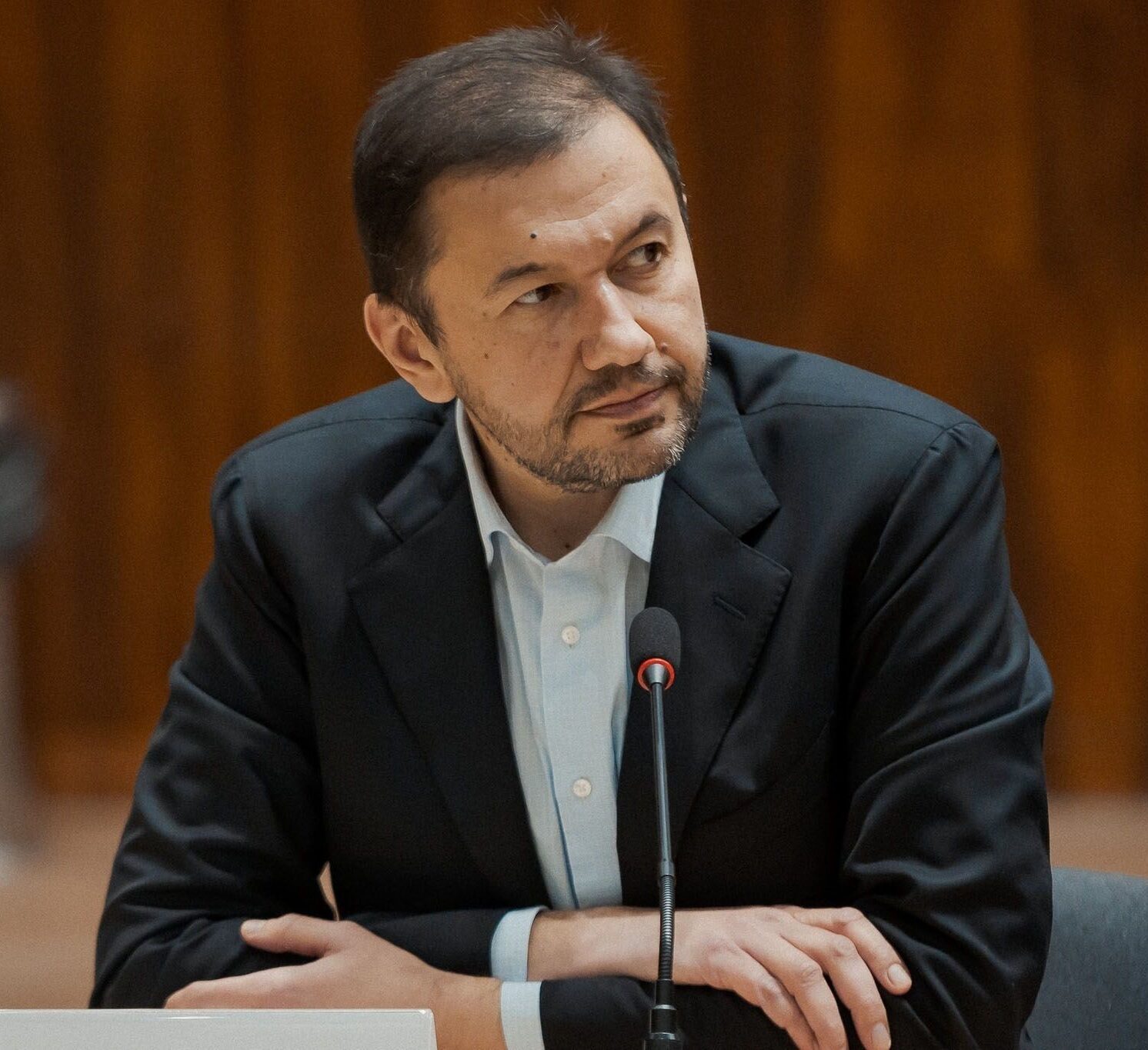
Oleg Bondarenko
Member of Parliament of Ukraine; Chair of the Verkhovna Rada Committee on Environmental Policy and Nature Management
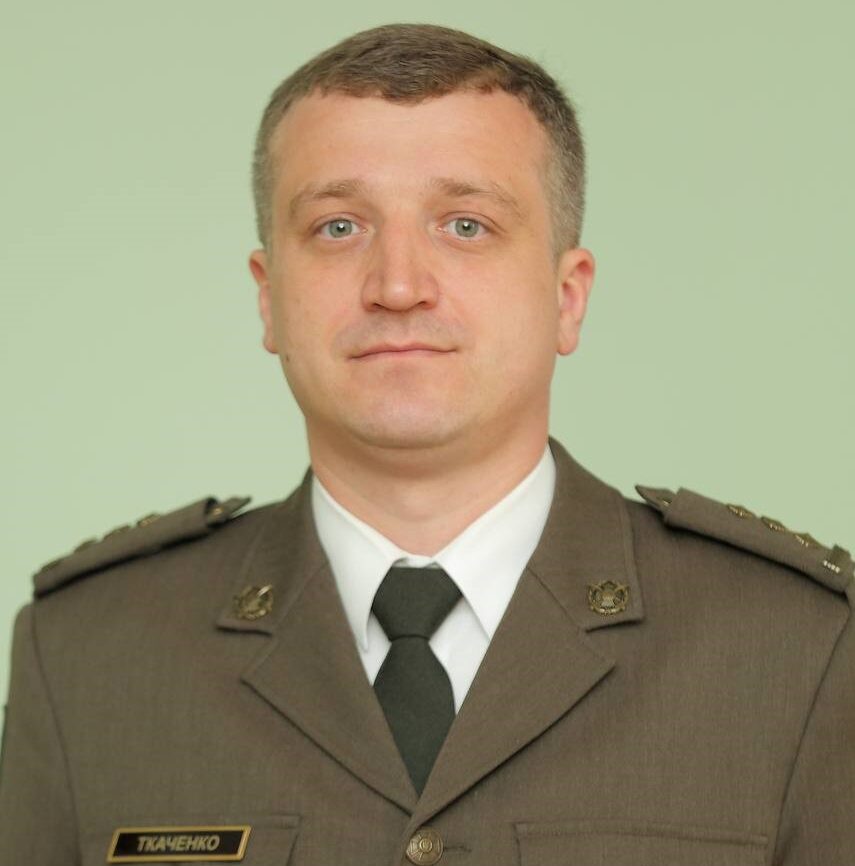
Andrii Tkachenko
Head of the Third Division, First Department for Procedural Guidance and Public Prosecution Support, Department for Combating Crimes Committed in Armed Conflict, Prosecutor General’s Office of Ukraine
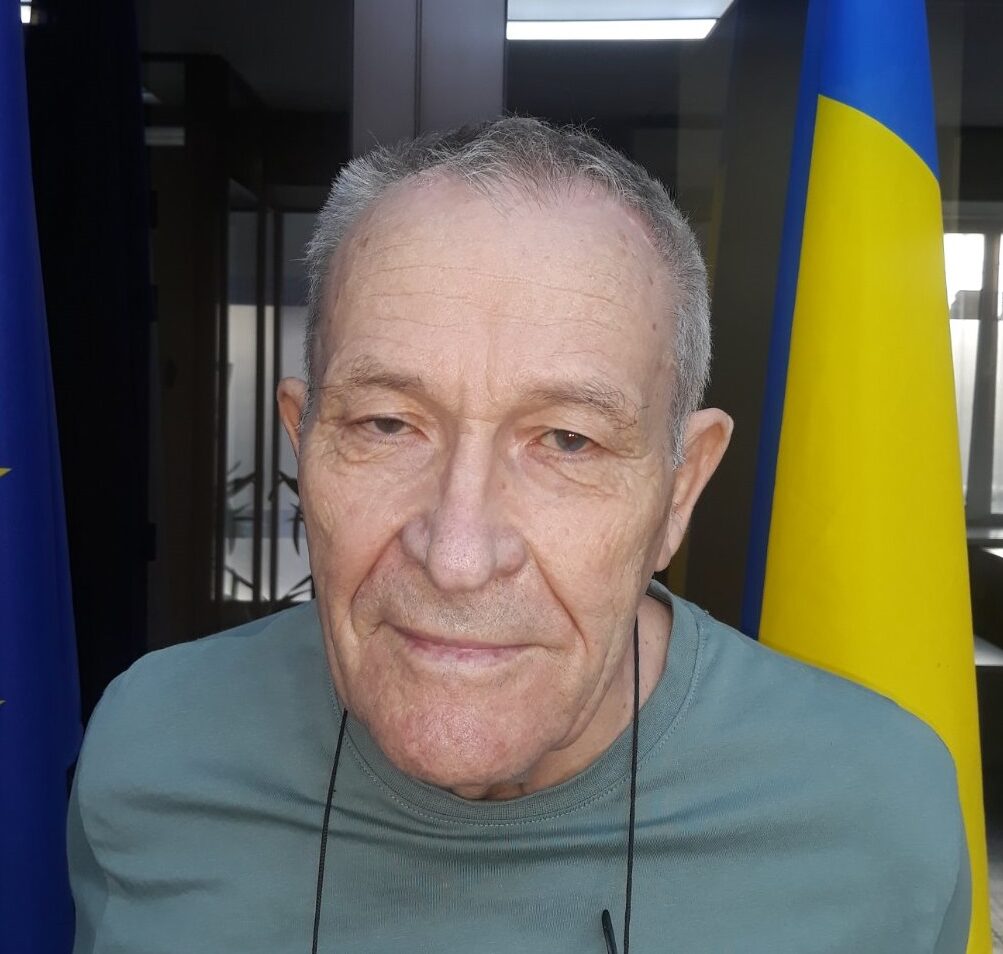
Ihor Krainov
Chief Research Fellow at the Laboratory of Engineering and Technical Research of the National Scientific Centre “Hon. Prof. M. S. Bokarius Forensic Science Institute”. Honoured Worker of Science and Technology of Ukraine, Doctor of Technical Sciences and Professor of Ecology
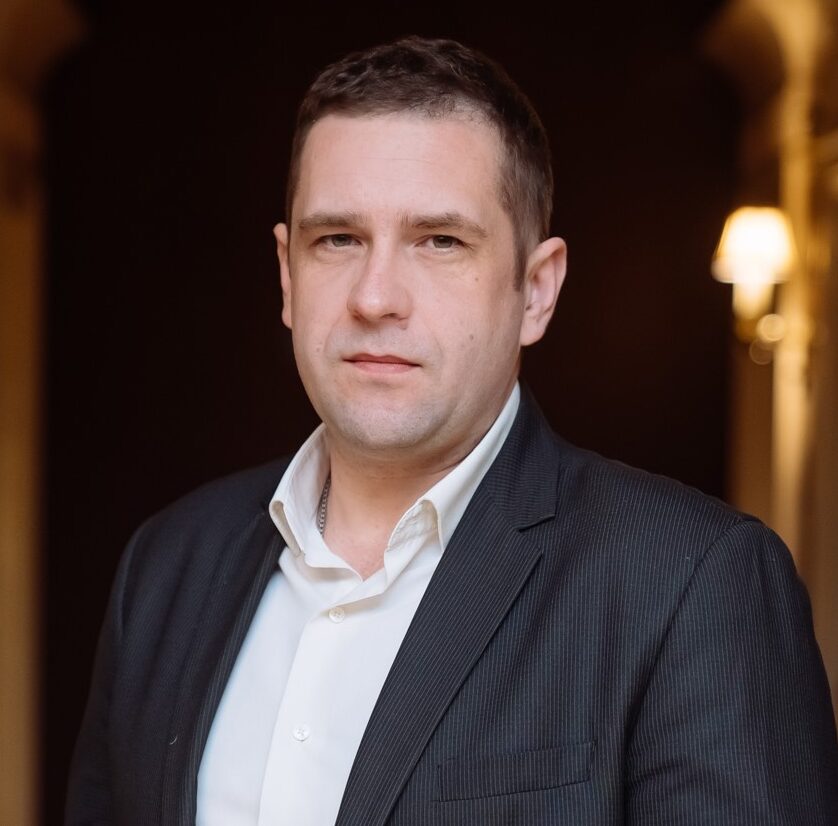
Borys Babin
Doctor of Law and Professor, Government Agent before the European Court of Human Rights, and member of the Ukrainian Association of International Law