
Criminal Justice in Wartime: Interaction of Jurisdictions, Procedural Reform and Compensation for Damage Caused by the Aggression against Ukraine
September 23, 2026
Kharkiv / online
09:30 – 17:30 (EEST)
The panel will address contemporary challenges facing criminal justice in the context of the armed aggression against Ukraine and explore an effective model for coordination among Ukrainian and foreign judicial and law enforcement authorities, as well as international judicial bodies. Its relevance stems from the scale of international crimes, the significant number of parallel investigations, the fragmented nature of the information and materials collected, and the need to transform them into admissible and verifiable evidence capable of establishing individual criminal responsibility.
The main objective of the panel is to identify practical approaches to coordinating the activities of national authorities, foreign judicial and law enforcement bodies, and international institutions without seeking to unify their procedural systems. Participants will discuss the practice of the International Criminal Court and national courts, the role of the Special Tribunal for the Crime of Aggression against Ukraine, the application of universal jurisdiction, international cooperation, and the coordination of parallel investigations and prosecutions.
A separate part of the discussion will focus on the modernisation of criminal procedure in response to the systemic and transnational nature of international crimes. It will address contextual and structural investigations; the collection, documentation, verification, preservation, transfer and subsequent use of evidence, including digital evidence; and the need to ensure the authenticity and integrity of evidence, establish the lawfulness of its collection, and preserve a proper chain of custody. Particular attention will be paid to compatible digital standards, the transparency of methods used to search and process large datasets, the verifiability of results produced through the use of artificial intelligence, the timely disclosure of materials, and the defence’s right to examine evidence and challenge its admissibility and reliability, as well as the lawfulness of the manner in which it was obtained.
An important part of the panel will concern the protection of victims and witnesses, the prevention of repeated interviews and re-traumatisation, their participation in proceedings, and their effective access to justice. The discussion will also address national and international compensation mechanisms for harm caused by the aggression against Ukraine and their relationship with criminal prosecution and the protection of victims’ rights. Avoiding repeated interviews as a means of preventing re-victimisation is also reflected in Eurojust’s official description of its work with evidence relating to core international crimes.
The panel is expected to produce a shared vision for the further development of criminal justice in cases involving international crimes, together with conclusions and recommendations aimed at improving the coordination of investigations and prosecutions, the quality of evidence collection, preservation and use, the effectiveness of procedural safeguards, and the protection of victims’ rights.
Moderator
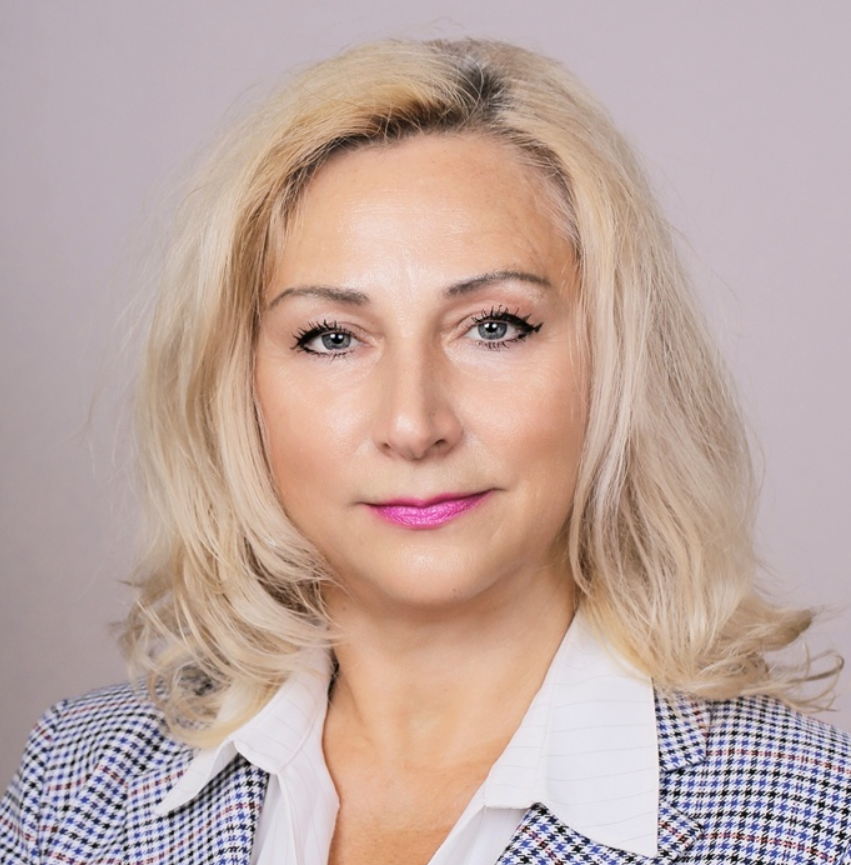
Tetiana Vilchyk
Doctor of Law, Professor in the Department of Civil Justice and the Legal Profession at the Yaroslav Mudryi National Law University
Co-moderator
Kostyantin Gusarov
Doctor of Law, Professor, Chair of the Department of Civil Justice and the Legal Profession at the Yaroslav Mudryi National Law University
Speakers
Prominent legal experts and leaders of Ukraine and the world
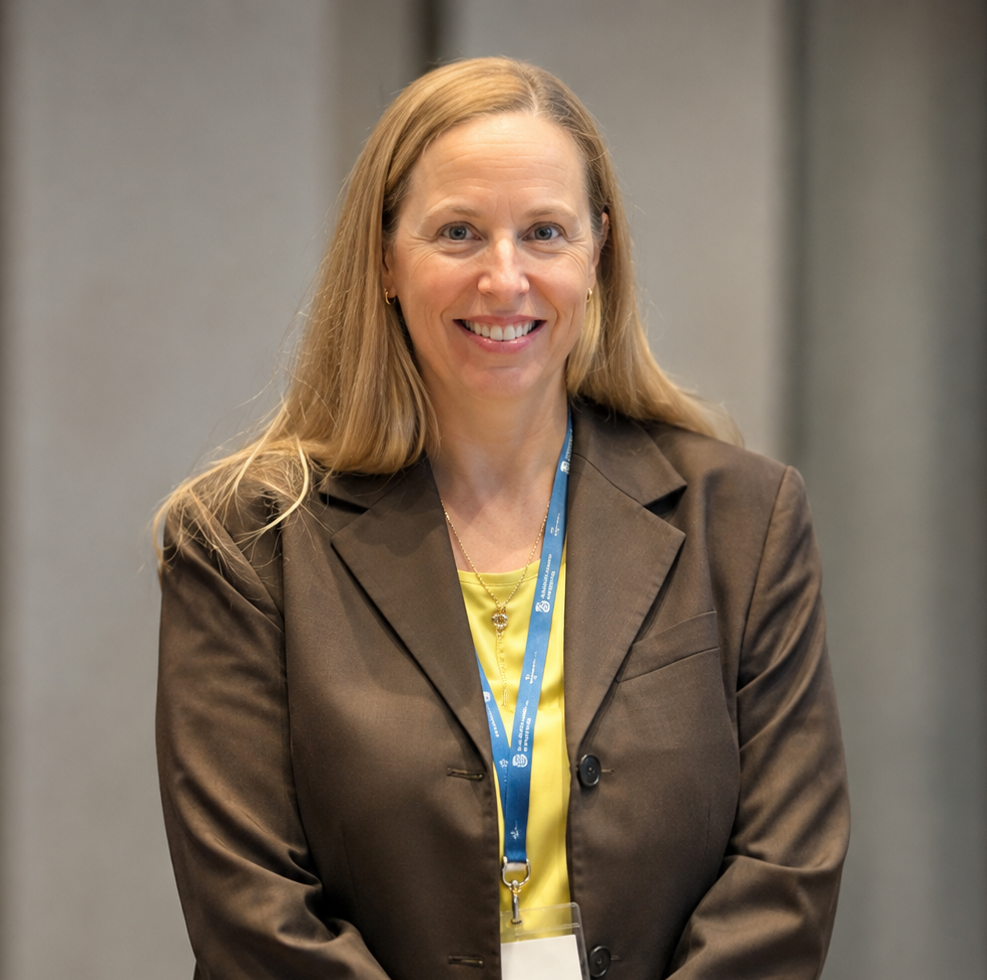
Irene Suominen
Deputy Head of the Accountability for Ukraine Unit, Directorate General Human Rights and Rule of Law, Council of Europe
The Establishment of the Special Tribunal for the Crime of Aggression against Ukraine: Background, Negotiation Process and Current State of Play
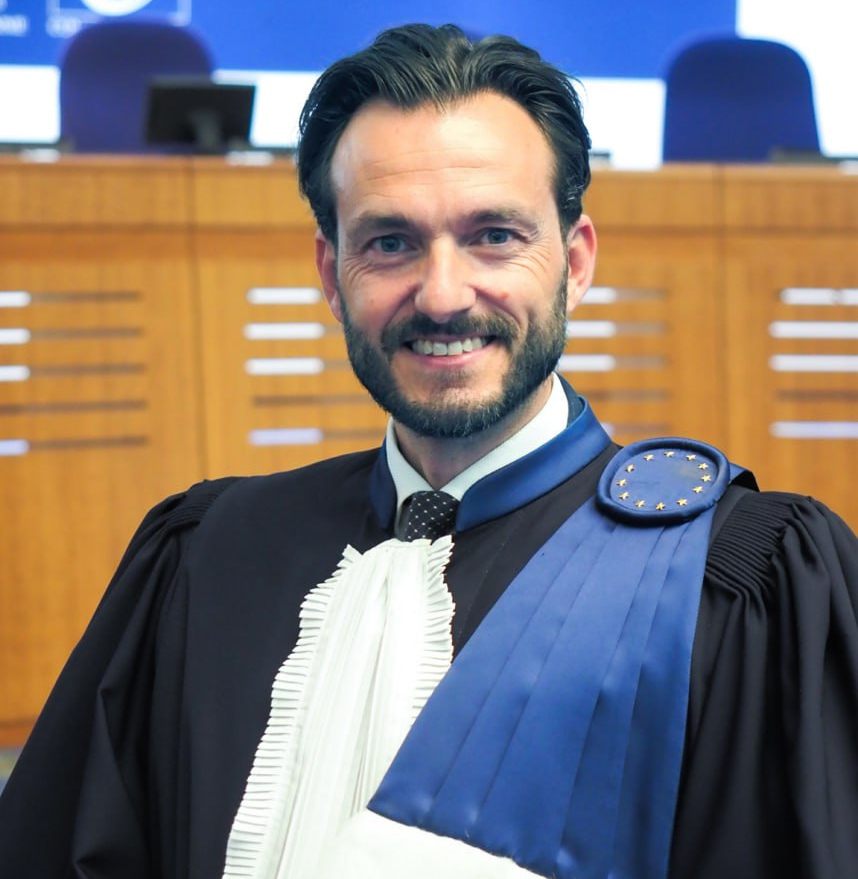
Robert Spano
Former President of the European Court of Human Rights (2020–2022); Chair of the Board of the Register of Damage for Ukraine; Professor of Law at the University of Iceland; Visiting Professor of Law at the University of Oxford; Partner at Gibson, Dunn & Crutcher LLP
Register of Damages Caused by the Russian Federation’s Aggression Against Ukraine: Structure, Role, and Current Status of Operations
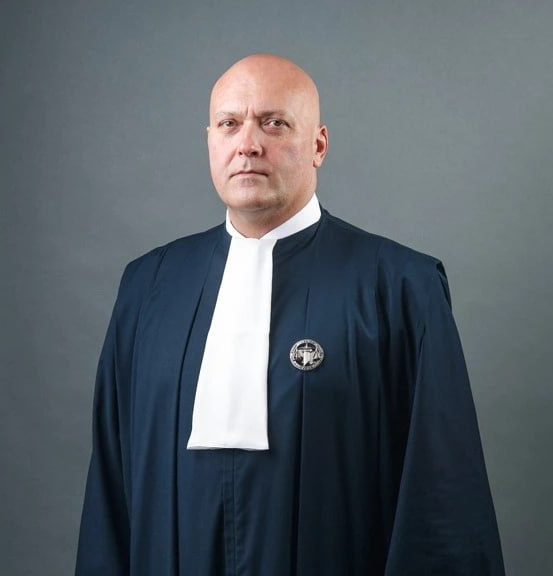
Serhii Fomin
Judge of the Criminal Cassation Court within the Supreme Court of Ukraine; PhD in Law
Specific Features of Evidence Collection in Wartime
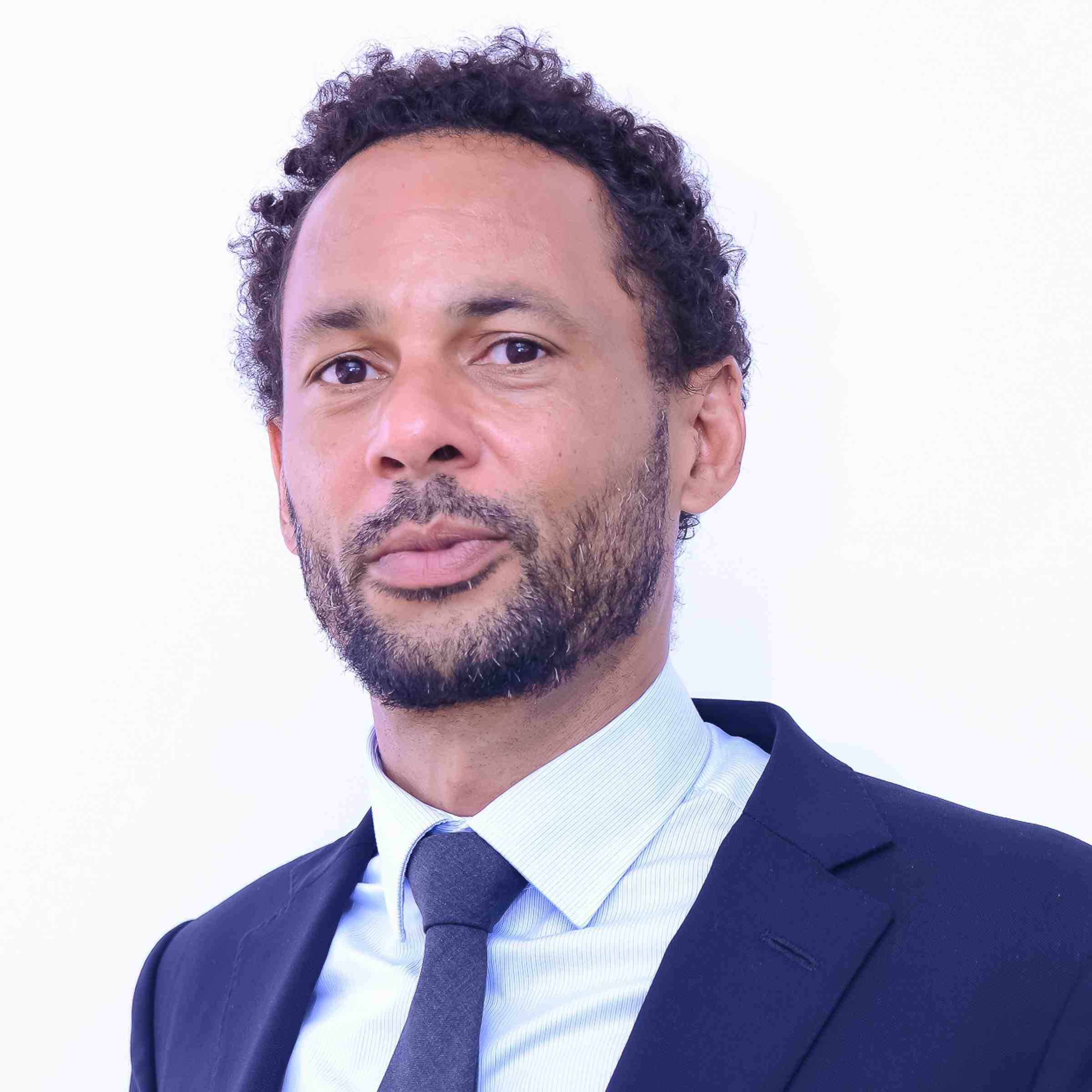
Wayne Jordash KC
President of Global Rights Compliance (GRC); King’s Counsel (KC), British barrister; Head of the Mobile Justice Teams, Ukraine; Accountability & Rule of Law Lead at GRC; UK Deputy Lead Coordinator of the Atrocity Crimes Advisory Group for Ukraine (ACA); Associate at Doughty Street Chambers, London
Universal Jurisdiction and Cross-Border Cooperation in the Prosecution of International Crimes Committed in Ukraine
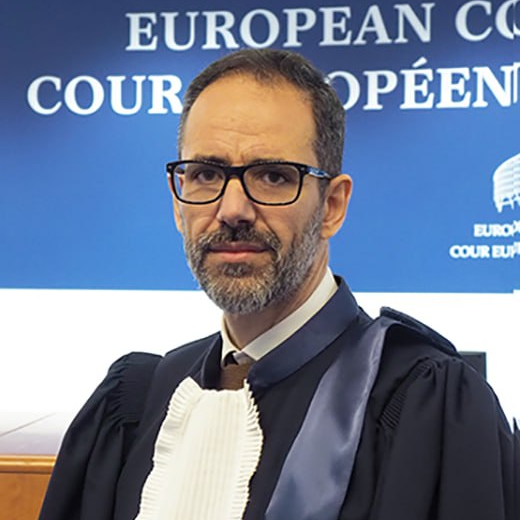
Paulo Pinto de Albuquerque
Professor of Law at the Universidade Católica Portuguesa; former Judge and Vice-President of a Section of the European Court of Human Rights; expert in criminal law, criminal procedure, and human rights
The EncroChat Case and the Rule of Law
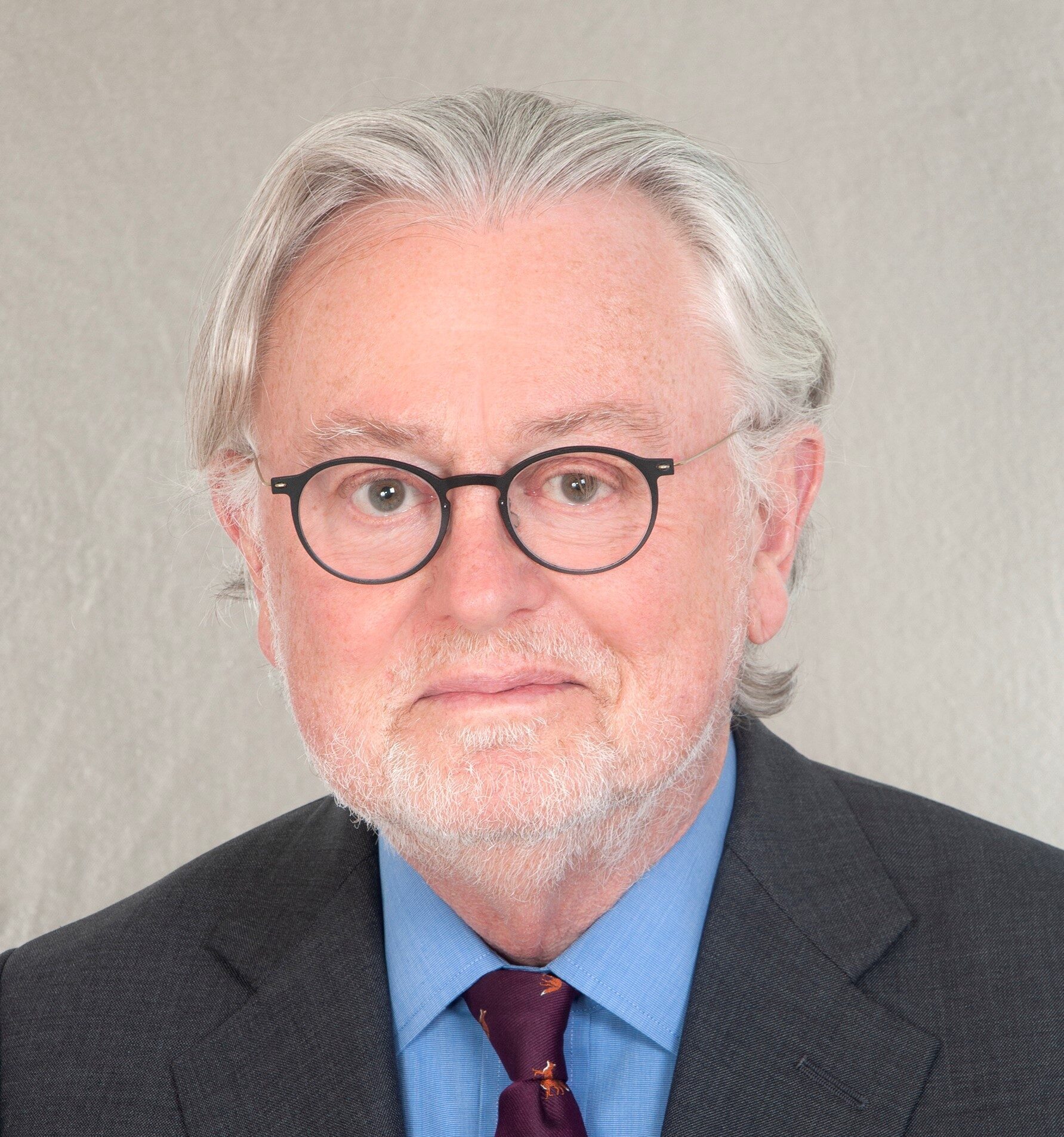
William A. Schabas
Professor of International Law at Middlesex University (London); Professor Emeritus at Leiden University and the University of Galway; Member of the Royal Irish Academy; leading scholar in international criminal law, international human rights law, and genocide studies; author of more than twenty books on international criminal law and human rights
Evidence at the Nuremberg Trial: Lessons for International Criminal Justice Today
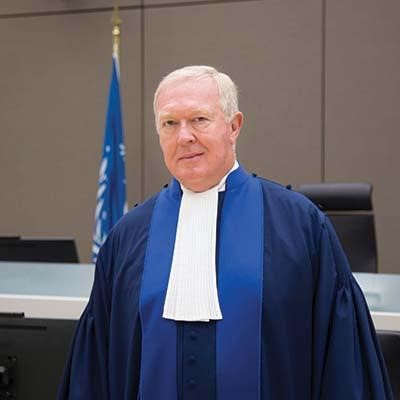
Sir Howard Morrison
Former Judge of the International Criminal Court (2012–2021) and former President of its Appeals Division; former Judge of the International Criminal Tribunal for the former Yugoslavia; Independent Adviser to the Prosecutor General of Ukraine on the investigation and prosecution of international crimes; Senior Fellow at the Lauterpacht Centre for International Law, University of Cambridge
International Justice – from Nuremberg to Uncertainty
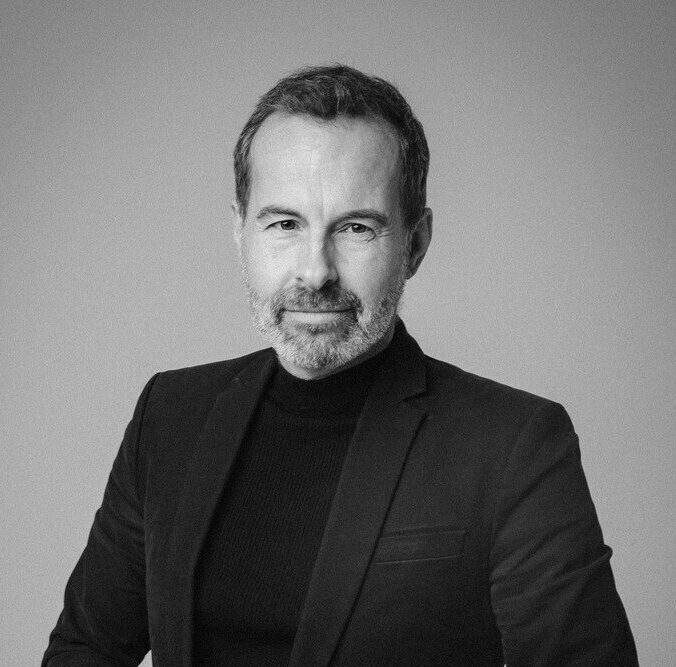
Nout van Woudenberg
Cluster Coordinator “Accountability for Ukraine”, Multilateral Affairs and Human Rights Department, Ministry of Foreign Affairs of the Kingdom of the Netherlands
Combining National and International Justice and Accountability Efforts for Greater Impact
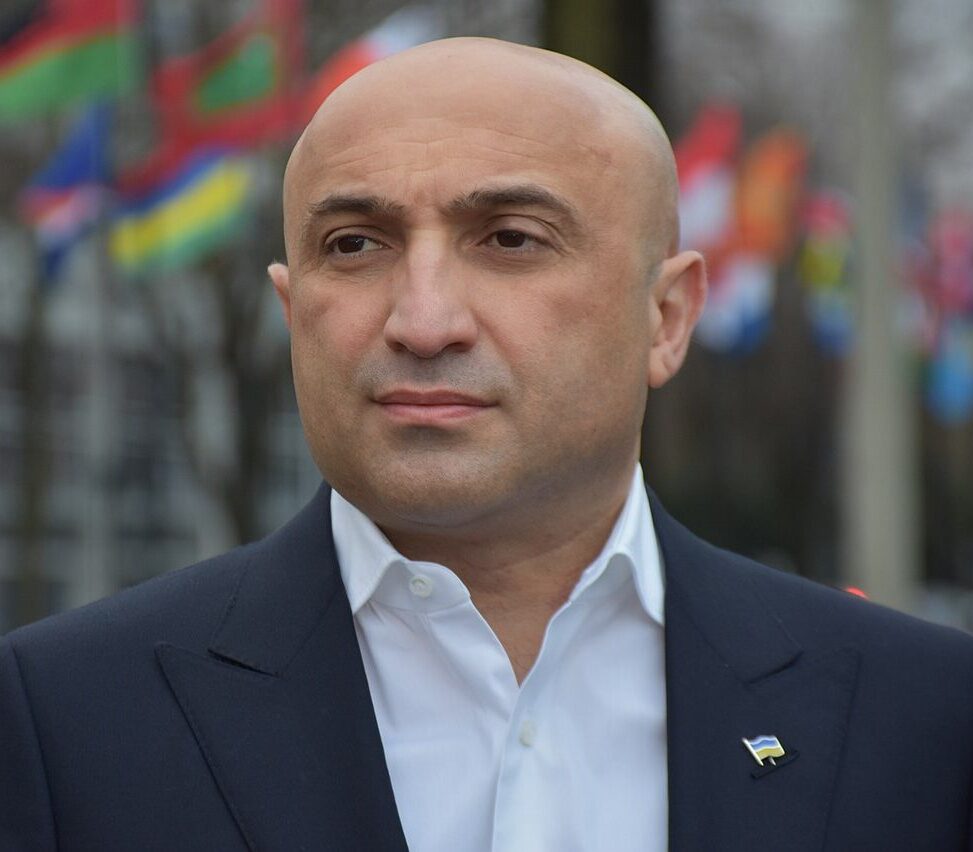
Gyunduz Mamedov
Deputy Head of the Military Law and Order Service of the Armed Forces of Ukraine; Candidate of Legal Sciences, Honoured Lawyer of Ukraine; Deputy Prosecutor General of Ukraine from 2019 to 2021; Prosecutor of the Autonomous Republic of Crimea from 2016 to 2019
The Role of Military Personnel in Collecting Battlefield Evidence of War Crimes
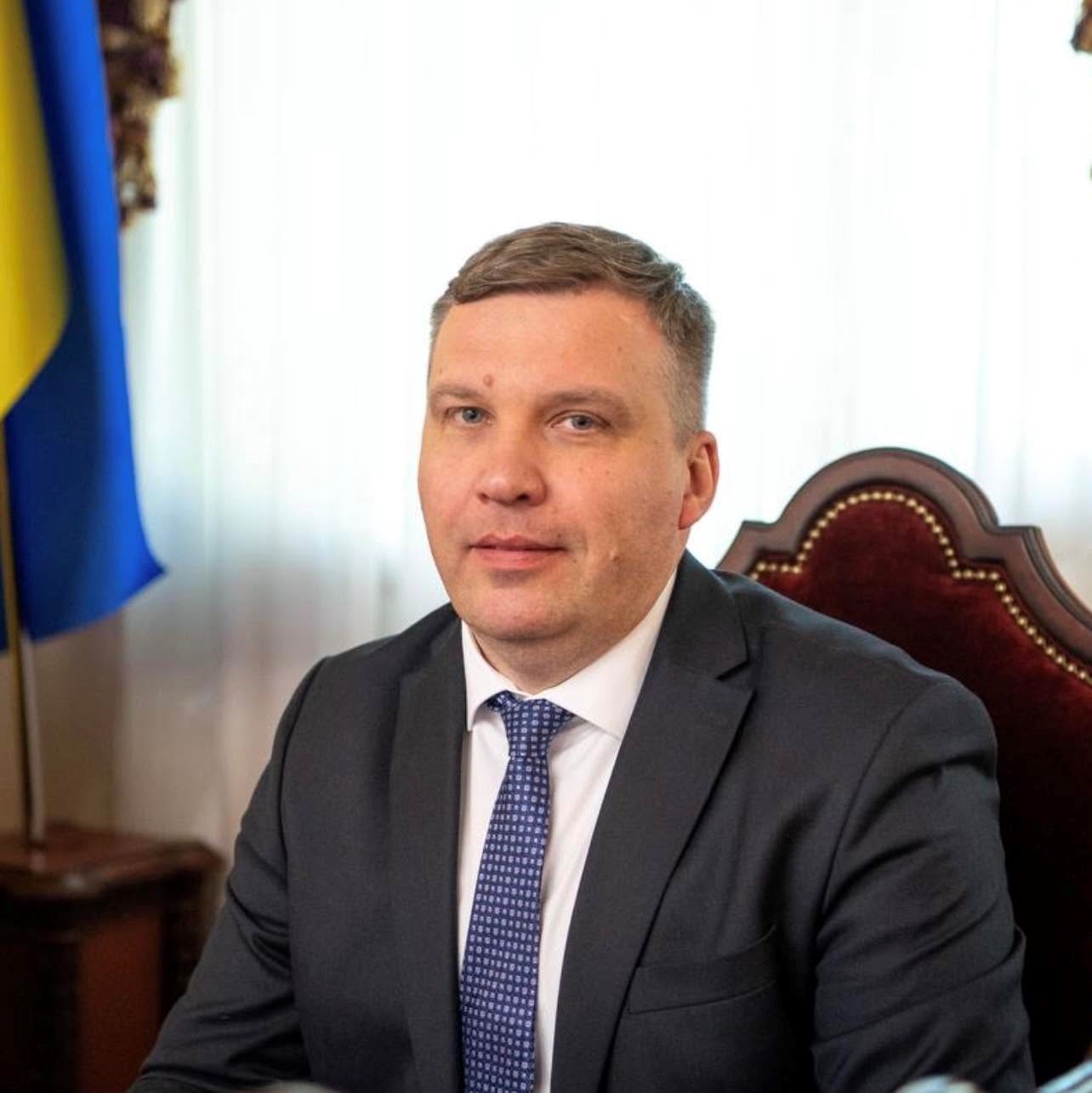
Vitaliy Urkevych
Supreme Court Justice
Overcoming the Jurisdictional Immunity of the Aggressor State and Compensation for Damage Caused by the War in Ukraine: The Practice of the Supreme Court
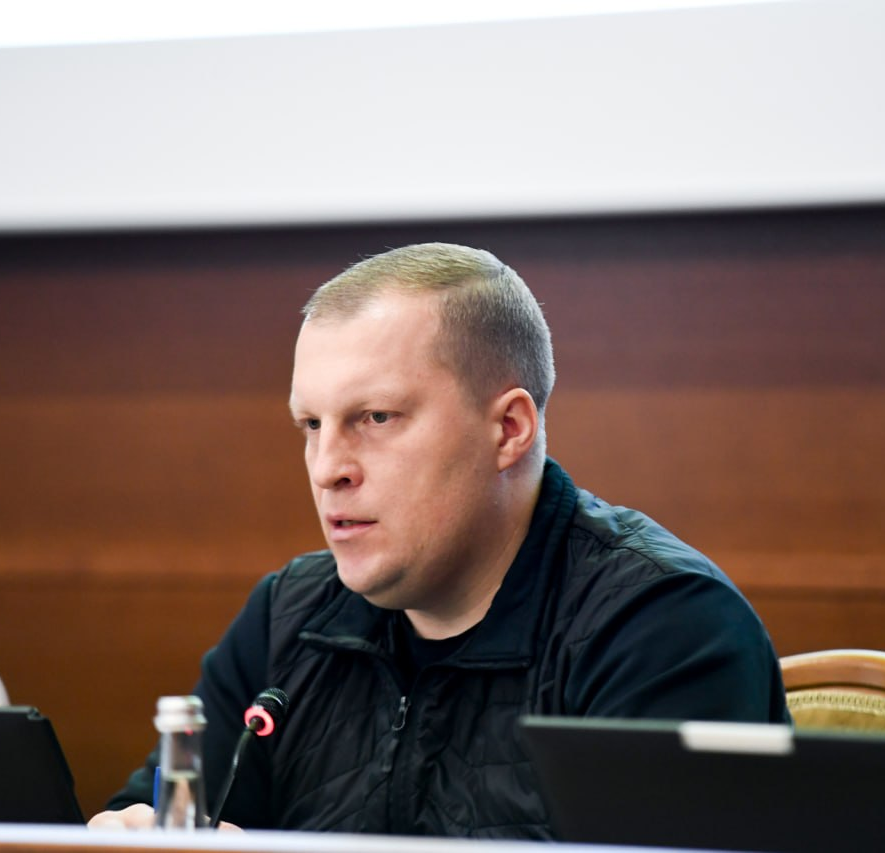
Oleksandr Zhupina
Head of the Pre-Trial Investigation Department, Main Investigation Directorate of the Security Service of Ukraine; PhD in Law; Colonel of Justice; Honoured Lawyer of Ukraine
International Cooperation in the Context of Investigating International Crimes
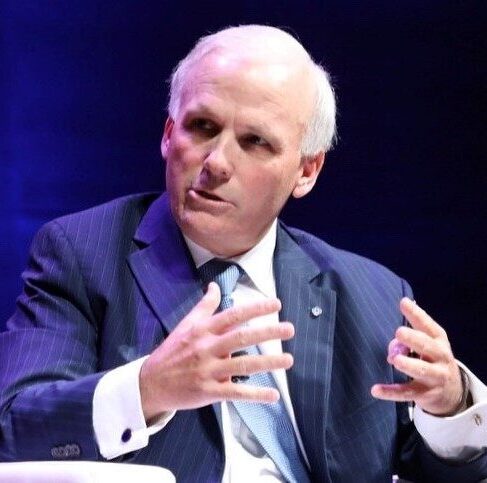
Mark Ellis
Executive Director of the International Bar Association, USA
The Importance and Role of the Special Tribunal for the Crime of Aggression against Ukraine within the International Accountability Framework as established by the UN Charter
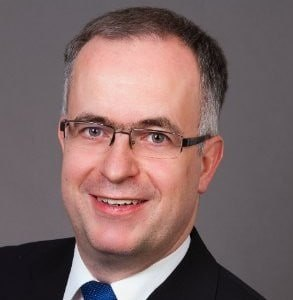
Rainer Wedde
Professor of Law, Hochschule RheinMain University of Applied Sciences
The Prosecution of Russian War Crimes by Russian Authorities in a Post-Putin Era
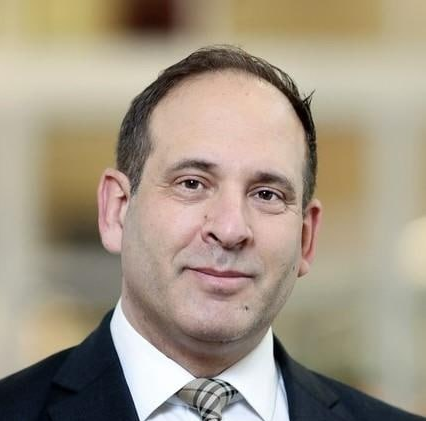
Mark Klamberg
Professor of International Law; Deputy Dean of the Faculty of Law, Stockholm University
Justice at the National Level: National Courts as Key Actors in Ensuring International Criminal Accountability
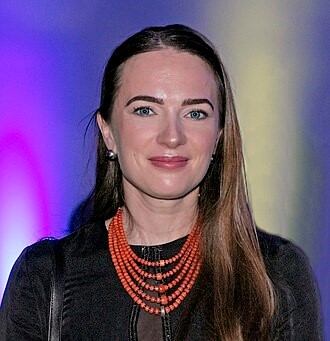
Oleksandra Matviichuk
Lawyer and human rights defender; Head of the Center for Civil Liberties, recipient of the 2022 Nobel Peace Prize; Doctor Honoris Causa of UCLouvain
Civil Society and Criminal Justice in Wartime: Crime Documentation, Accountability and Victim Protection
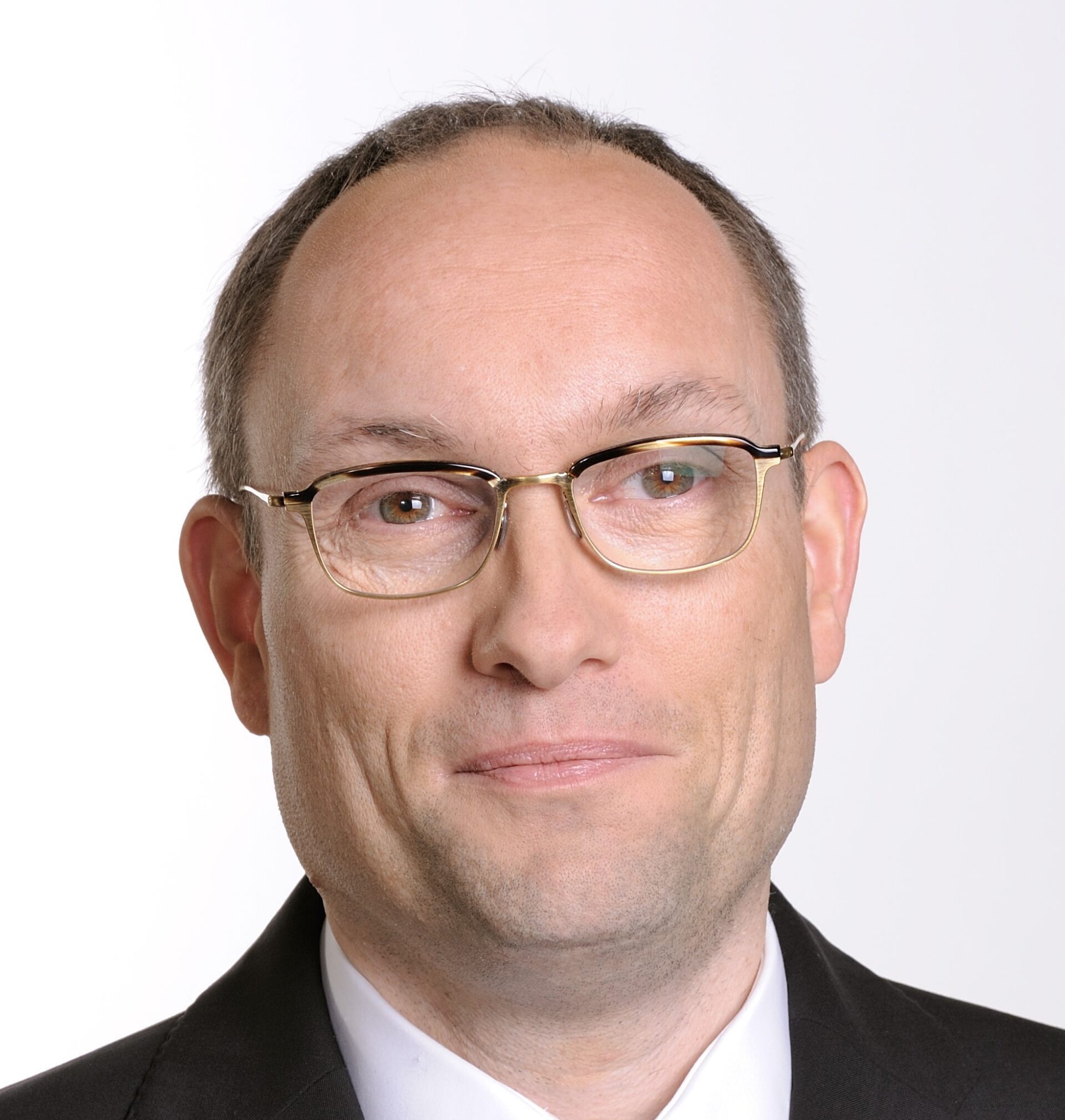
Andreas L. Paulus
Former judge of the Federal Constitutional Court of Germany (2010–2022); Associate Dean of the Faculty of Law at the University of Göttingen; Professor of Public and International Law; Director of the Institute for International and European Law at the University of Göttingen; Germany’s alternate member of the European Commission for Democracy through Law (Venice Commission); Foreign Member of the Norwegian Academy of Science and Letters
Justice or Peace? On the Potential and Limits of Restorative Justice in Cases of Aggression
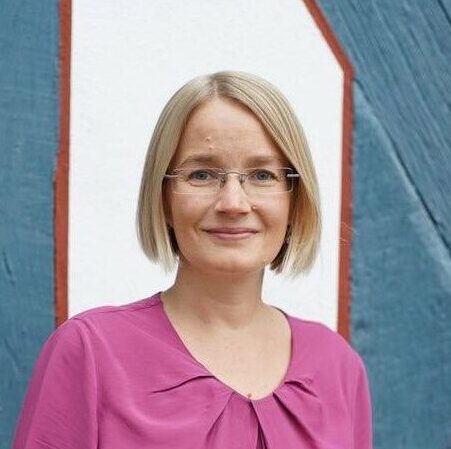
Stefanie Bock
Executive Director, International Centre for War Crimes Trials (ICWC), Philipps University of Marburg; Professor of Criminal Law, Criminal Procedure, International Criminal Law and Comparative Law, Faculty of Law, Philipps University of Marburg
German International Criminal Law
Kate Orlovsky
Director of the Hague Office; Director of the International Criminal Court and International Criminal Law Programme, International Bar Association
Legal Obligations of States Parties to Cooperate with Arrest Warrants Issued by the International Criminal Court: Challenges, Non-Cooperation and Future Directions
Christopher D. Russell
Member of the Board, Rule of Law Officer at the OSCE Office for Democratic Institutions and Human Rights
Judicial Approaches to Select Procedural and Substantive Issues in International Crimes Cases: The Development of OSCE Guidance
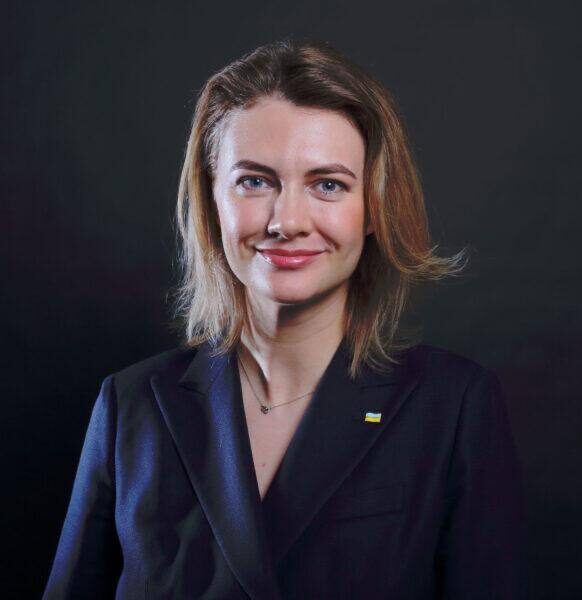
Myroslava Krasnoborova
Ukraine’s Liaison Prosecutor to Eurojust — the European Union Agency for Criminal Justice Cooperation, Candidate of Legal Sciences
The Role of Eurojust in Facilitating Accountability for Core International Crimes Committed in Ukraine
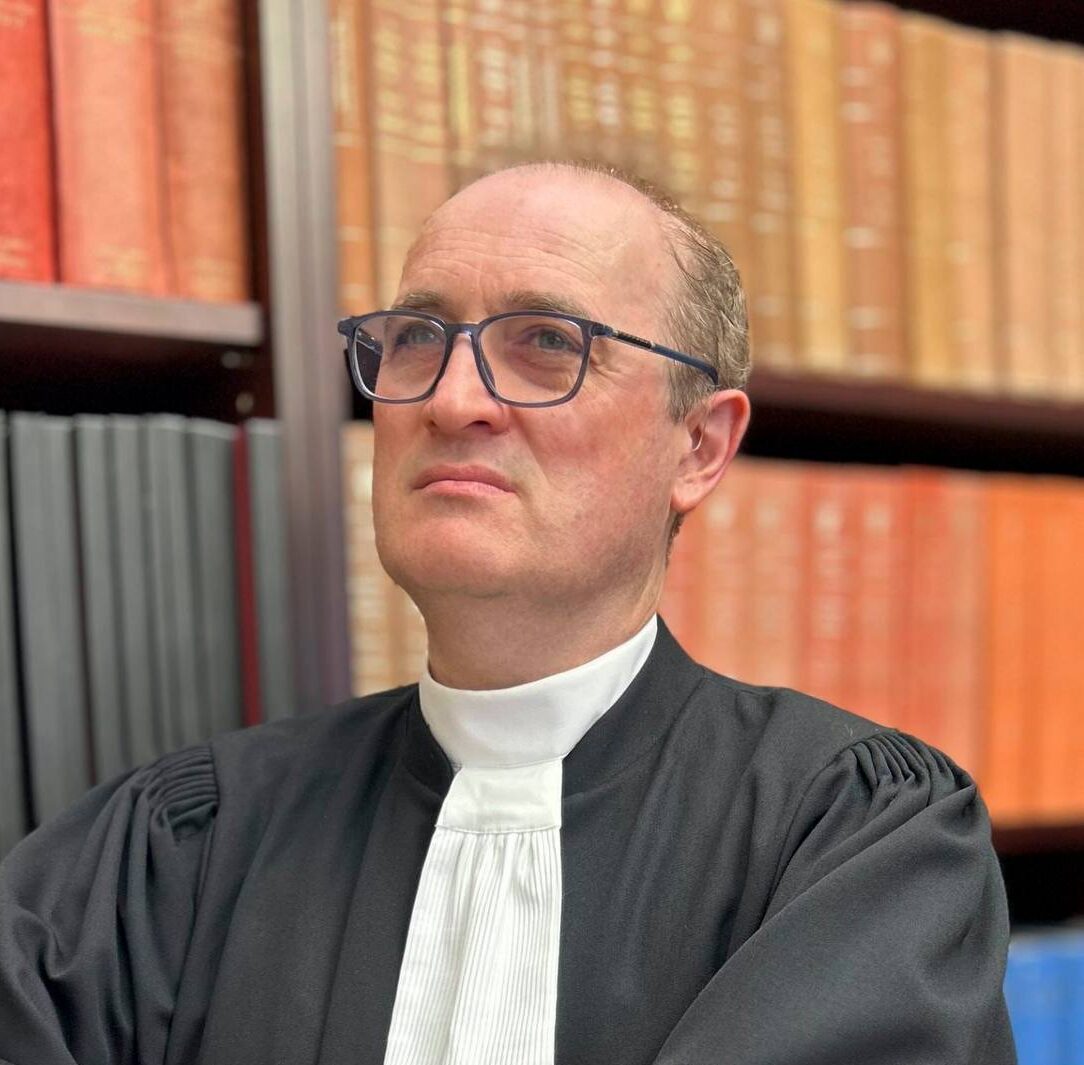
Judge Richard Humphreys
Judge of the High Court of Ireland. Judge in charge of the Planning and Environment Court. Senior Associate Research Fellow at the Institute of Advanced Legal Studies, School of Advanced Study, University of London. PhD in Law, Trinity College Dublin
Addressing weaknesses in sanctions regimes to combat aggression against Ukraine
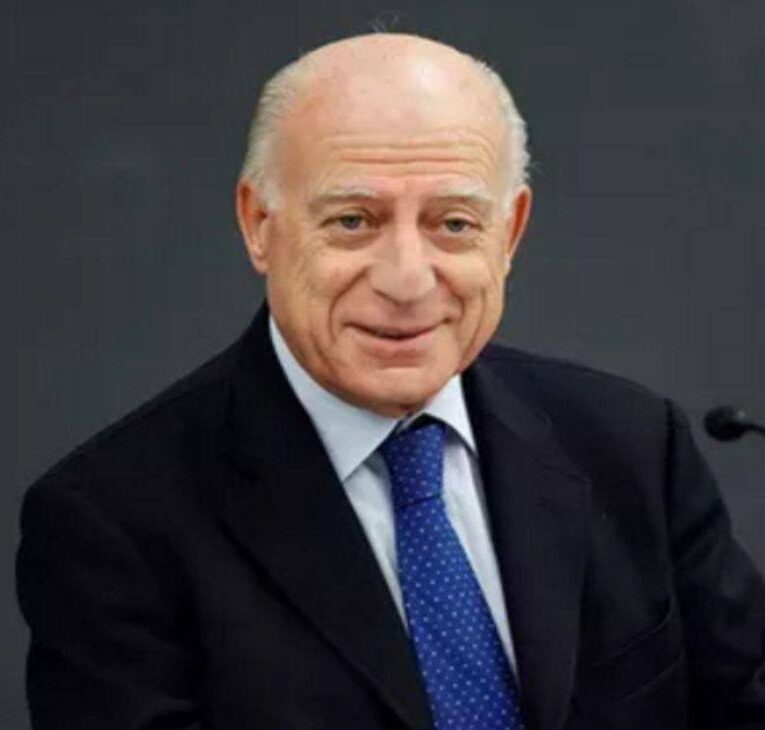
Fausto Pocar
Professor Emeritus of International Law at the University of Milan; former President of the International Criminal Tribunal for the Former Yugoslavia (2005–2008); former ad hoc judge of the International Court of Justice in the case of “Ukraine v. the Russian Federation”; former member and Chair of the UN Human Rights Committee
Interaction between International and National Jurisdictions in the Prosecution of Core International Crimes: Lessons for Ukraine
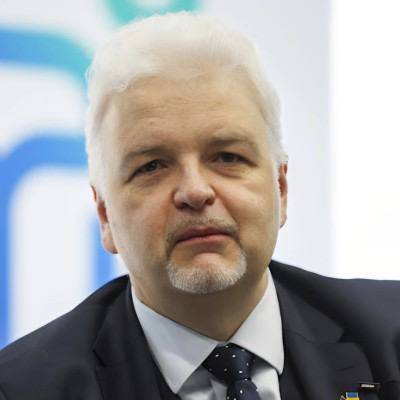
Mykola Gnatovskyy
Judge of the European Court of Human Rights, elected from Ukraine; Candidate of Legal Sciences; Associate Professor
Justice During and After the War: State Liability, Individual Criminal Liability, and the Rights of Victims