
Constitutional Stability of Democratic Institutions in an Era of Global Crises: The Balance of Security, Human Rights, and Post-War Law and Order
September 21, 2026
Kharkiv / hybrid
11:00 – 16:00 (EEST)
The panel “Constitutional Stability of Democratic Institutions in an Era of Global Crises: The Balance of Security, Human Rights, and Post-War Law and Order” is dedicated to one of the key challenges of contemporary constitutionalism — the ability of a democratic state to maintain its institutional and legal resilience in the face of war, protracted crises, and large-scale security challenges. The focus will be on the internal architecture of state power, the functioning of the system of checks and balances, the limits of the powers of parliament, the government, and the judiciary, as well as the role of judicial and constitutional oversight in ensuring the state’s democratic trajectory.
The relevance of this panel stems from the need to strike a balance between national security and defense requirements and the fundamental principles of democracy, the rule of law, and the protection of human rights. Of particular importance is the question of the permissible limits on the restriction of rights and freedoms in times of war and under a prolonged state of emergency, as well as the prevention of authoritarian drift, hyper-centralization of power, and the gradual erosion of constitutional checks and balances. In this context, participants will discuss the concept of a “democracy capable of self-defense,” the problem of hybrid threats to democratic institutions, the limits of judicial review, and the practice of the European Court of Human Rights in relevant cases.
A separate segment of the discussion will be devoted to issues of democratic legitimacy and the social contract: whether the state, in the context of profound transformation, needs a new social contract, and what its constitutional foundations should be. Participants will also examine the challenges to freedom of expression in the post-truth era, including the limits of judges’ public communication, as well as the relationship between judicial independence, professional ethics, and the public interest.
The panel’s comparative analysis will focus, in particular, on the constitutional role of Brazil’s Federal Supreme Court in protecting new forms of family and its approaches to judicial activism, human rights, and democratic resilience. At the same time, the concepts of democratic erosion and reflexive republicanism will help broaden the discussion on the mechanisms for the self-preservation of the democratic state and its ability to counteract the gradual degradation of institutions.
The main objective of the panel is to develop a modern constitutional and legal framework for the sustainability of democratic institutions and to identify legal safeguards that prevent legitimate security restrictions from being transformed into arbitrary curtailments of rights and freedoms. The expected practical outcome is to outline legal mechanisms for restoring the full functioning of democratic procedures after the end of hostilities — in particular, electoral and administrative processes — as well as to establish guidelines for the transition from a special legal regime to a stable postwar constitutional order.
Moderators
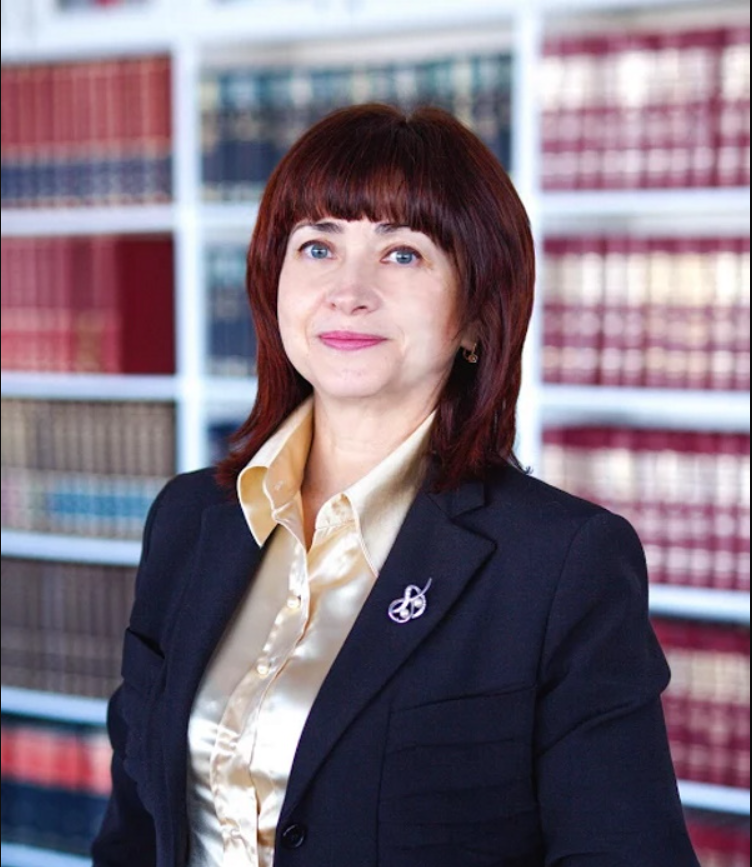
Tetiana Slinko
Professor at the Department of Constitutional Law of Ukraine, Head of the EULAC Law Hub Research Centre at the Yaroslav Mudryi National Law University
Grigory Berchenko
Doctor of Law, Professor, Chair of the Department of Constitutional Law of Ukraine at the Yaroslav Mudryi National Law University
Oksana Shcherbanyuk
Doctor of Law, Professor in the Department of Procedural Law at Yuriy Fedkovych Chernivtsi National University
Speakers
Prominent legal experts and leaders of Ukraine and the world
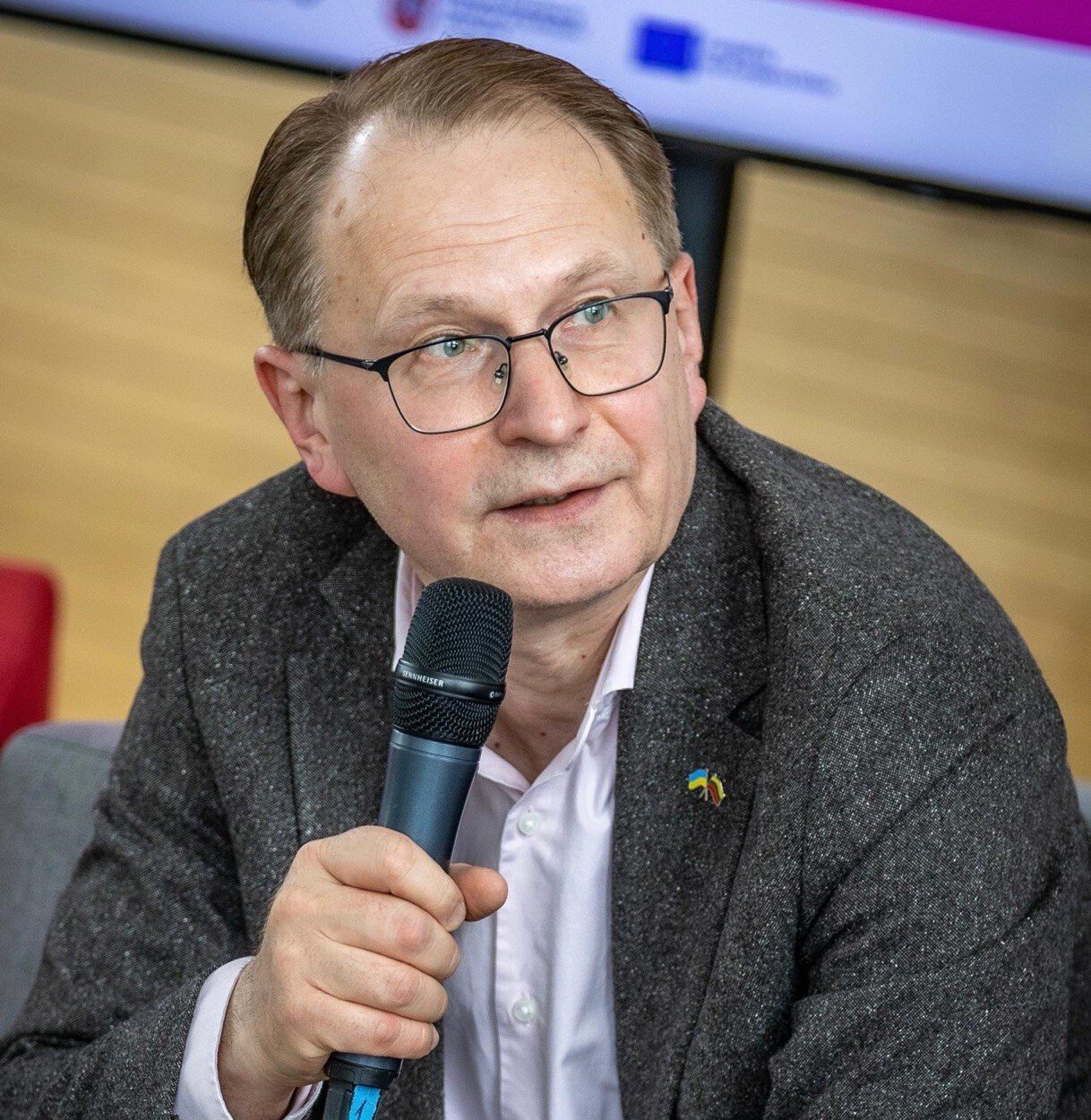
Dainius Žalimas
Member of the European Parliament representing the Republic of Lithuania, professor of constitutional and international law, honorary doctorate from the Yaroslav Mudryi National Law University, member of the European Commission for Democracy through Law (Venice Commission)
Democratic resilience through constitutional review: the role of constitutional courts
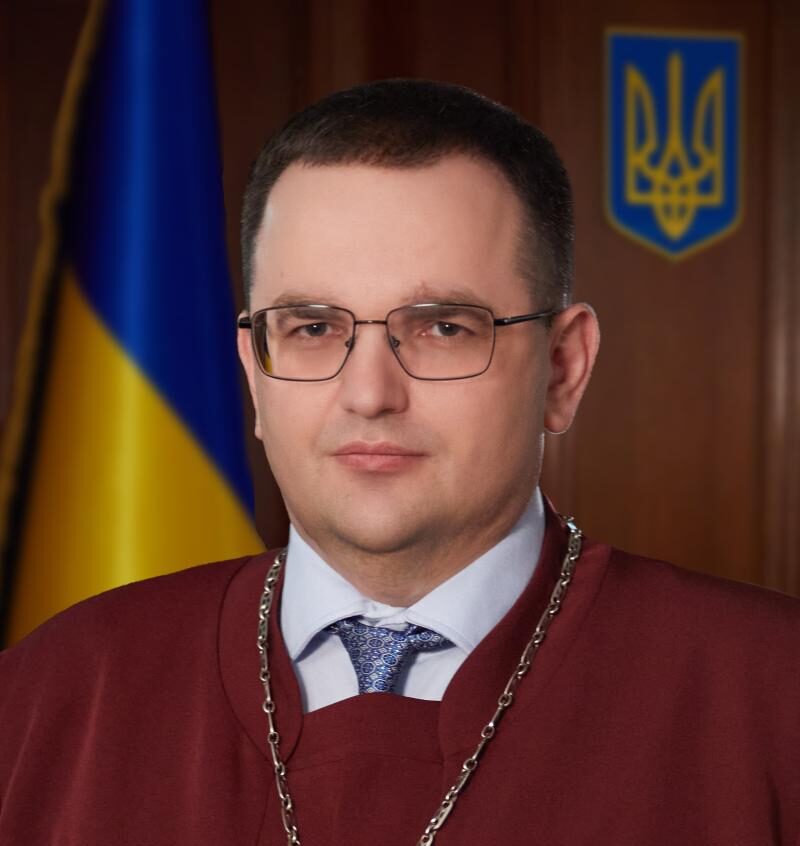
Yuriy Barabash
Judge of the Constitutional Court of Ukraine, Doctor of Law, Professor, Member of the National Academy of Legal Sciences of Ukraine
Constitutional Justice in Extraordinary Circumstances: Implications for Institutional Stability and Democratic Development
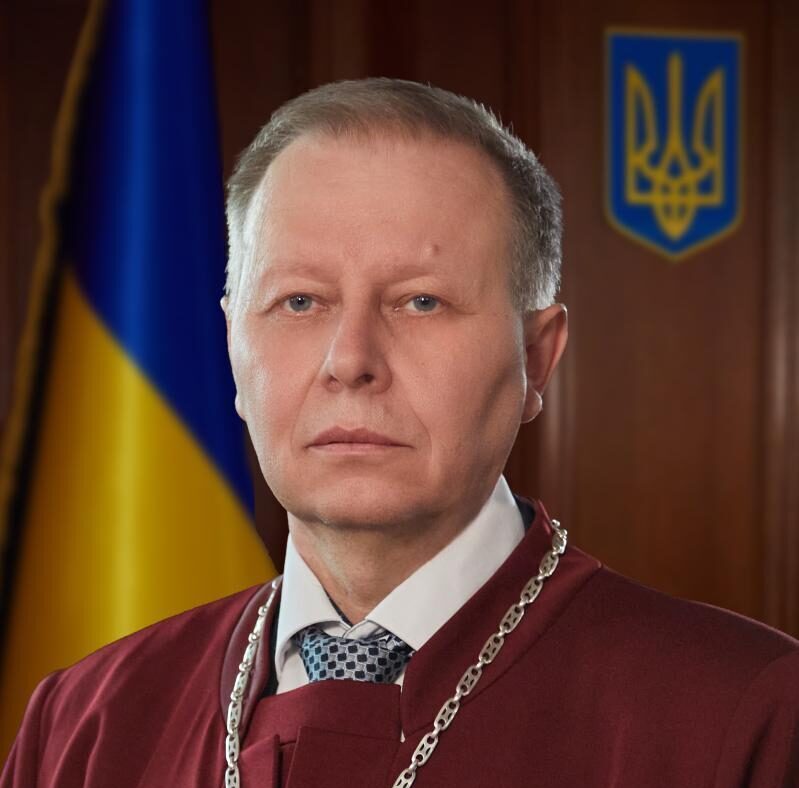
Viktor Kychun
Judge of the Constitutional Court of Ukraine, Candidate of Legal Sciences, Associate Professor
The Temporal Effect of Decisions of the Constitutional Court of Ukraine
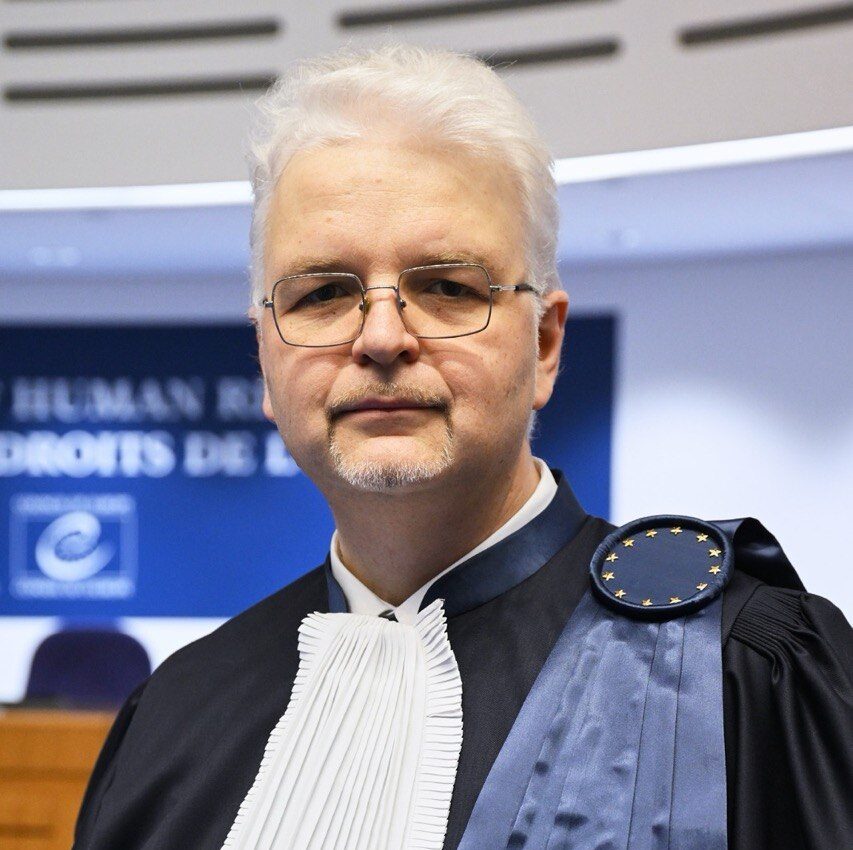
Mykola Gnatovskyy
Judge at the European Court of Human Rights (since 2022); Professor of International Law at the Institute of International Relations, Taras Shevchenko National University of Kyiv; First Vice-President, Ukrainian Association of International Law
Hybrid Threats to Democratic Institutions: Current Case Law of the European Court of Human Rights and the Limits of Judicial Review in the Postwar Legal Order
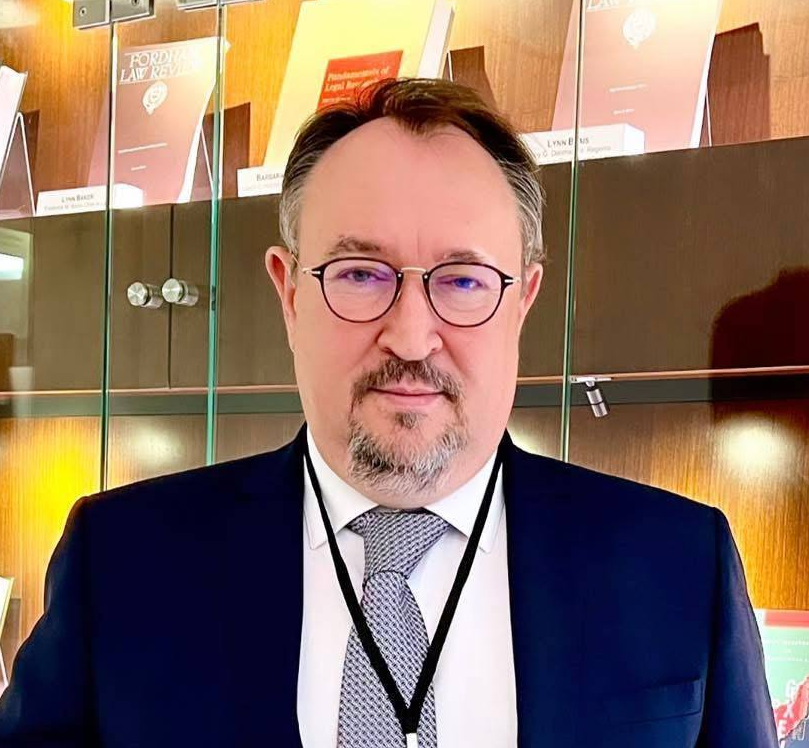
Alexander Tenase
Member of the Venice Commission (2017–2019), Minister of Justice of the Republic of Moldova (2009–2011, 2018), President of the Constitutional Court of the Republic of Moldova (2011–2017)
Elections Under Attack: The Constitutional Resilience of Democracy in the Face of Foreign Interference, Disinformation, and Illicit Political Financing
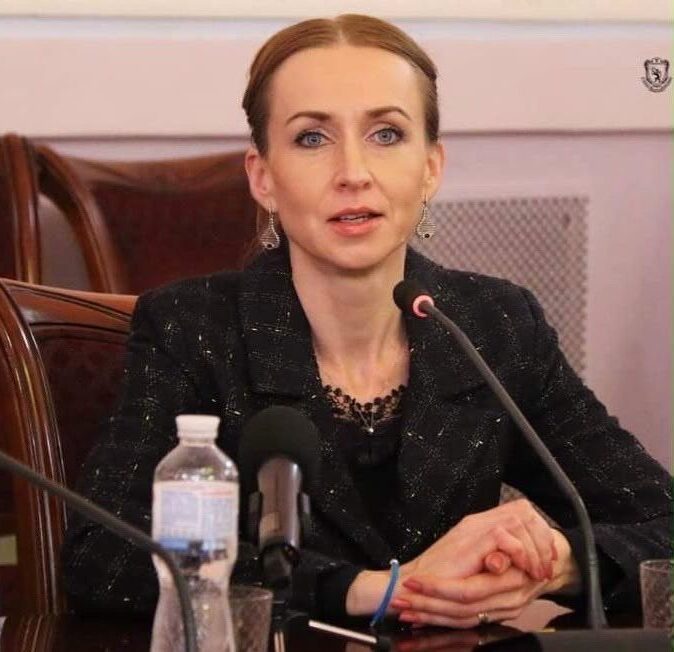
Indrė Isokaitė
Chair of Public Law Department, Head of the Ukrainian Law Centre, Law Faculty of Vilnius University, Deputy Chair of Vilnius University Senate
Searching for Stability Pillars in the World at a Crossroads: a Few Reflections in the Context of Russia's War in Ukraine
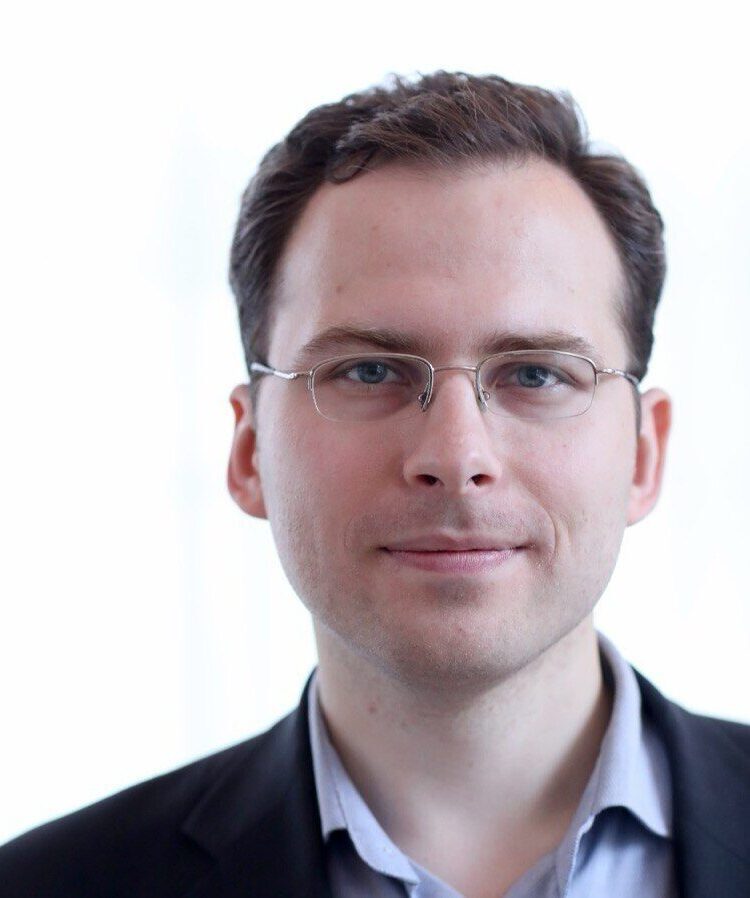
Imants Breidaks
Board chairman, Foundation for Public Participation - ManaBalss organization, board chairman of cybersecurity company Stratex, senior expert and PhD student at the University of Latvia
Every State Makes Mistakes: How Democracy Corrects Itself During War and Reconstruction
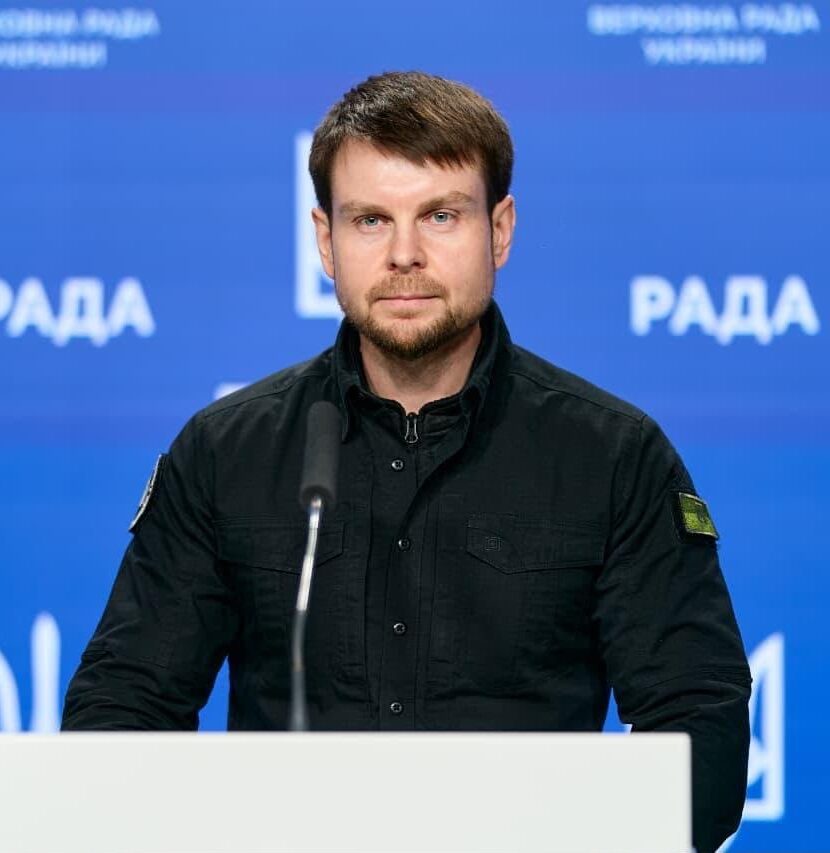
Oleksandr Bakumov
Member of the Ukrainian Parliament, Chair of the Subcommittee on Criminal Legislation and Crime Prevention of the Verkhovna Rada Committee on Law Enforcement. Doctor of Law, Professor, Corresponding Member of the National Academy of Legal Sciences of Ukraine
War as a Test of the Constitution: Between State Effectiveness and the Limitation of Power
Viktor Kolisnyk
Retired Judge of the Constitutional Court of Ukraine, Doctor of Law, Professor, Corresponding Member of the National Academy of Legal Sciences of Ukraine
Ensuring the Democratic Nature of the Electoral Process in the Postwar Period and Issues of National Identity
Vsevolod Rechitsky
Candidate of Legal Sciences, Associate Professor, Expert with the EU “Pravo-Justice” Project
Do We Need a New Social Contract?
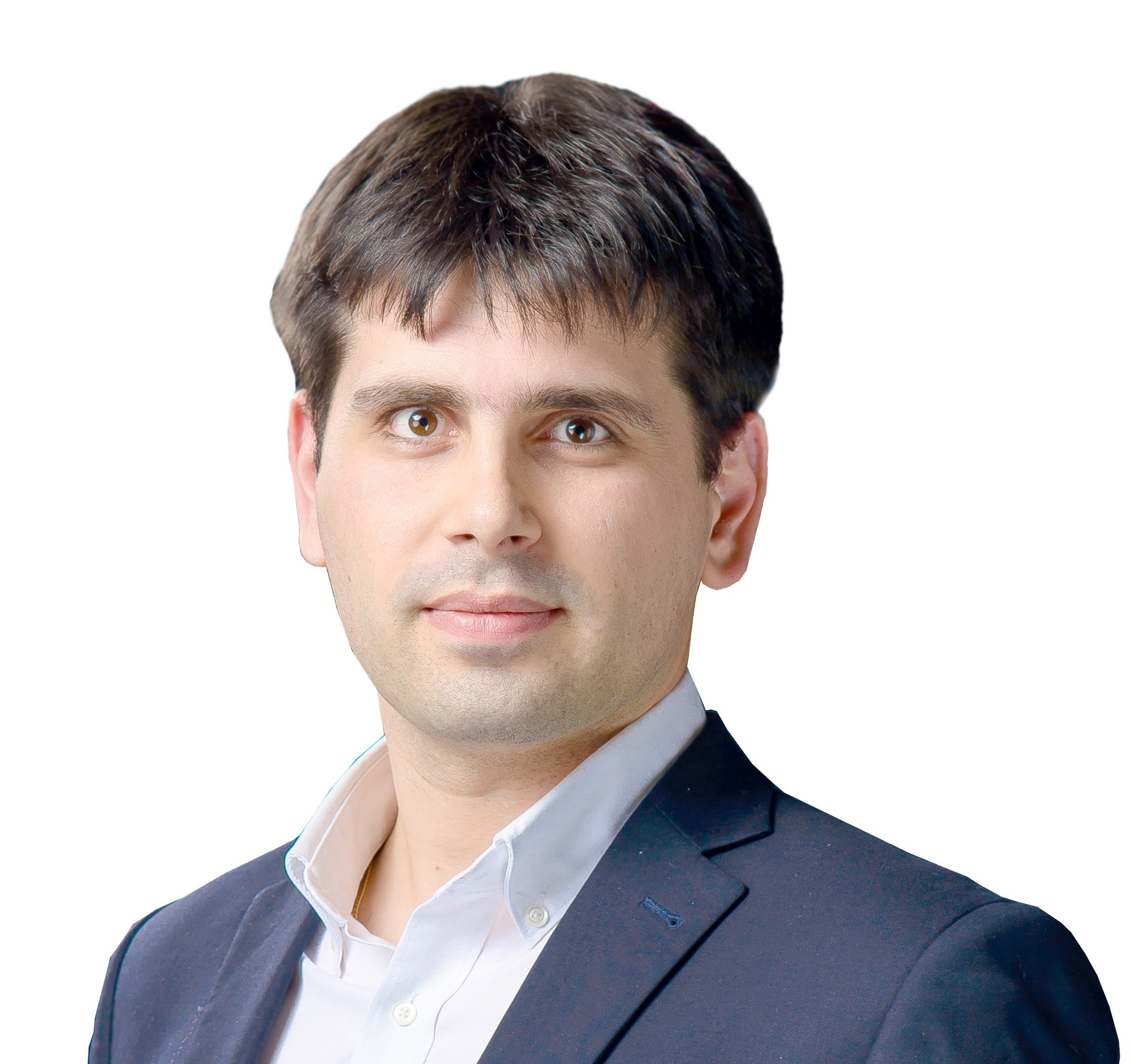
Volodymyr Venher
Dean of the Faculty of Law of the National University “Kyiv-Mohyla Academy”, PhD, Associate Professor of the Department of Jurisprudence and Public Law, Visiting Research Fellow in the Institute of European and Comparative Law, University of Oxford
Limiting legislative discretion in extraordinary conditions
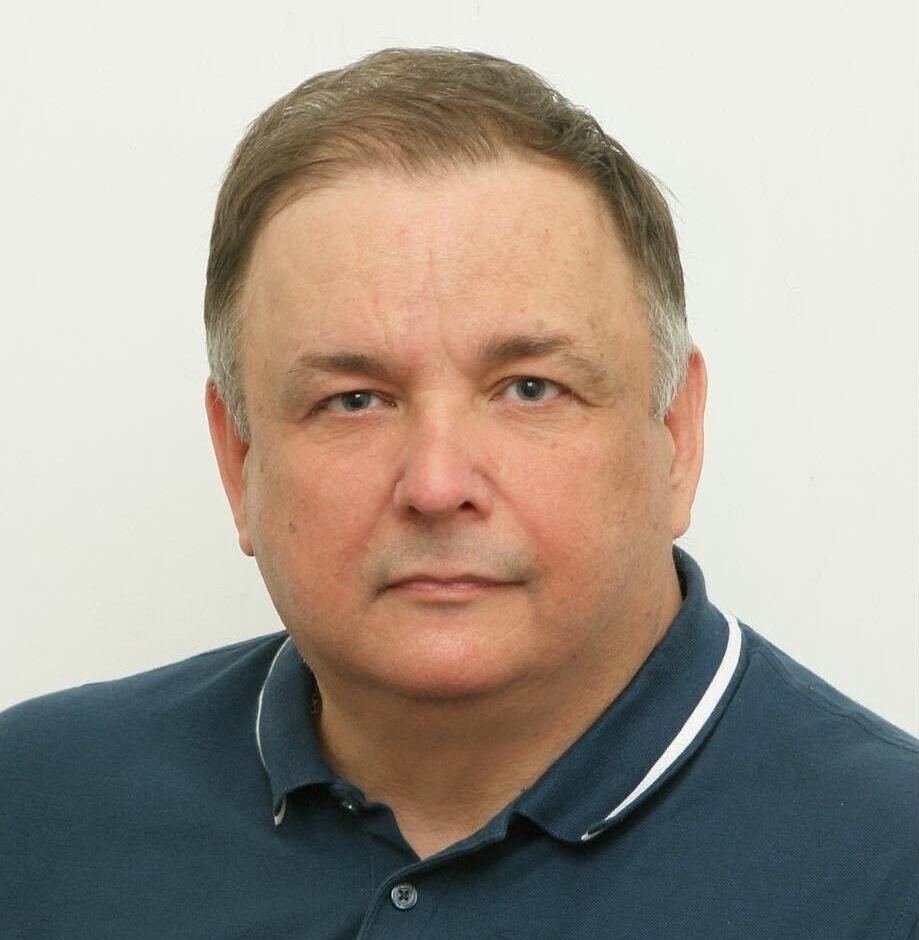
Stanislav Shevchuk
Doctor of Law, Professor in the Department of General Theoretical Jurisprudence and Public Law at the Faculty of Legal Sciences of the National University of Kyiv-Mohyla Academy, Corresponding Member of the National Academy of Legal Sciences of Ukraine, President of the Constitutional Court of Ukraine (2018–2019), Ad hoc Judge of the European Court of Human Rights representing Ukraine
Freedom of Expression in the Post-Truth Era—Should Judges Remain Silent?
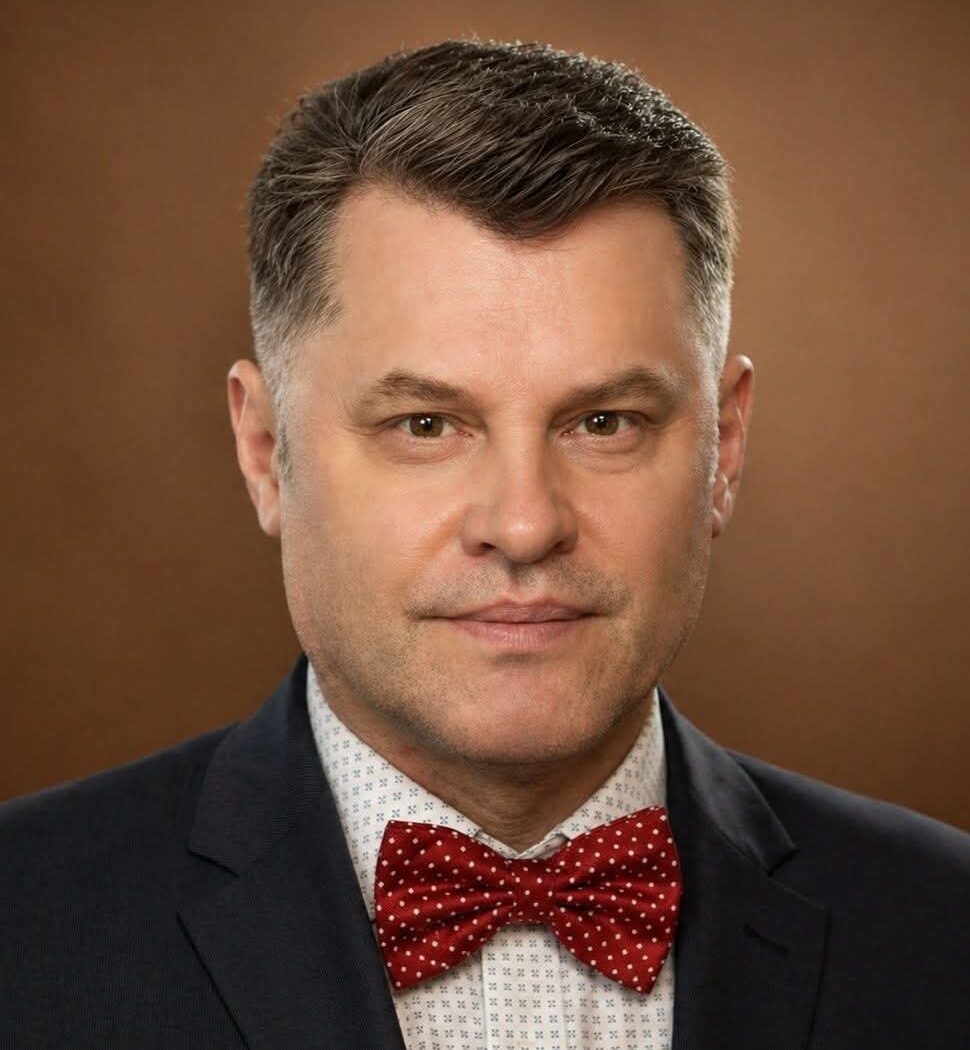
Mykhailo Savchyn
Doctor of Law, Professor, Member of the Academy of Sciences of Higher Education of Ukraine, Director of the Research Institute of Comparative Public Law and International Law at Uzhhorod National University, Advisor to the President of the Constitutional Court of Ukraine (2008–2010), expert for the OSCE, the Council of Europe, and USAID
The Impact of Virtues on a State’s Institutional Capacity in Light of Constitutional Values
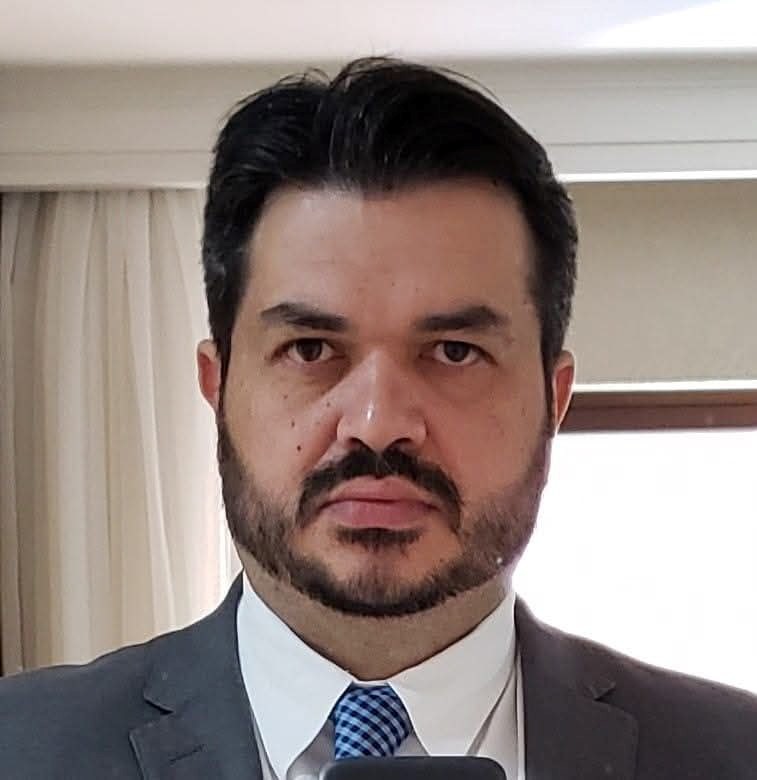
Fernando de Brito Alves
PhD in Law, Professor of the Department of Constitutional Law, Faculty of Law, North Paraná State University (UENP), Federative Republic of Brazil, Advisor to the Secretariat for Science, Technology and Higher Education of the State of Paraná, International Ambassador of Yaroslav Mudryi National Law University
Constitutions as Reconstruction: Participatory Constitution-Making and the Legitimacy of Post-Authoritarian Orders - the Brazilian 1988 Experience
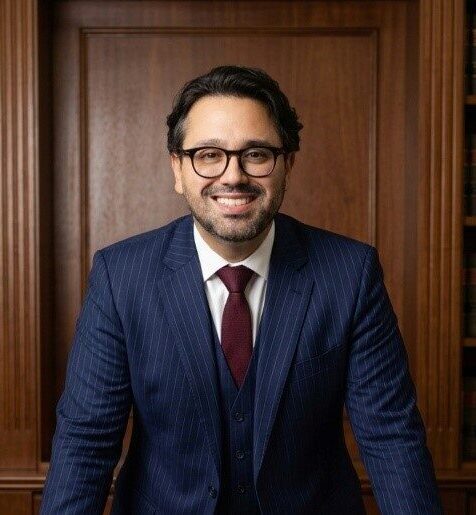
Luiz Geraldo do Carmo Gomes
PhD in the Social Function of Law (FADISP) and is a postdoctoral researcher in Human Rights and Bioethics. He completed a postdoctoral fellowship at the University of Limerick, Ireland, and currently lectures at the Universidade Estadual de Maringá (UEM) and coordinates postgraduate programmes at the Centro Universitário Cidade Verde (UniCV). As a leader of CNPq research groups, his work focuses on Human Rights, Social Justice, Gender, Sexualities, and Bioethics
The Constitutional Role of the Brazilian Supreme Court in Protecting New Family Forms: Judicial Activism, Human Rights, and the Resilience of Democratic Institutions
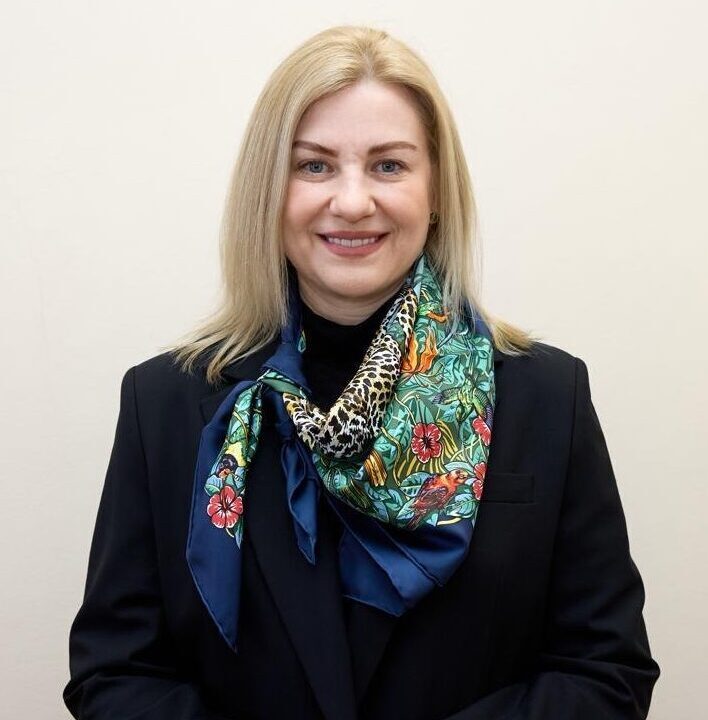
Maryna Stefanchuk
Professor at the Department of Justice of the Educational and Scientific Institute, Taras Shevchenko National University of Kyiv; Doctor of Sciences (Law), Professor
Reform of the Public Prosecutor’s Office in Ukraine through the lens of European Commission reports
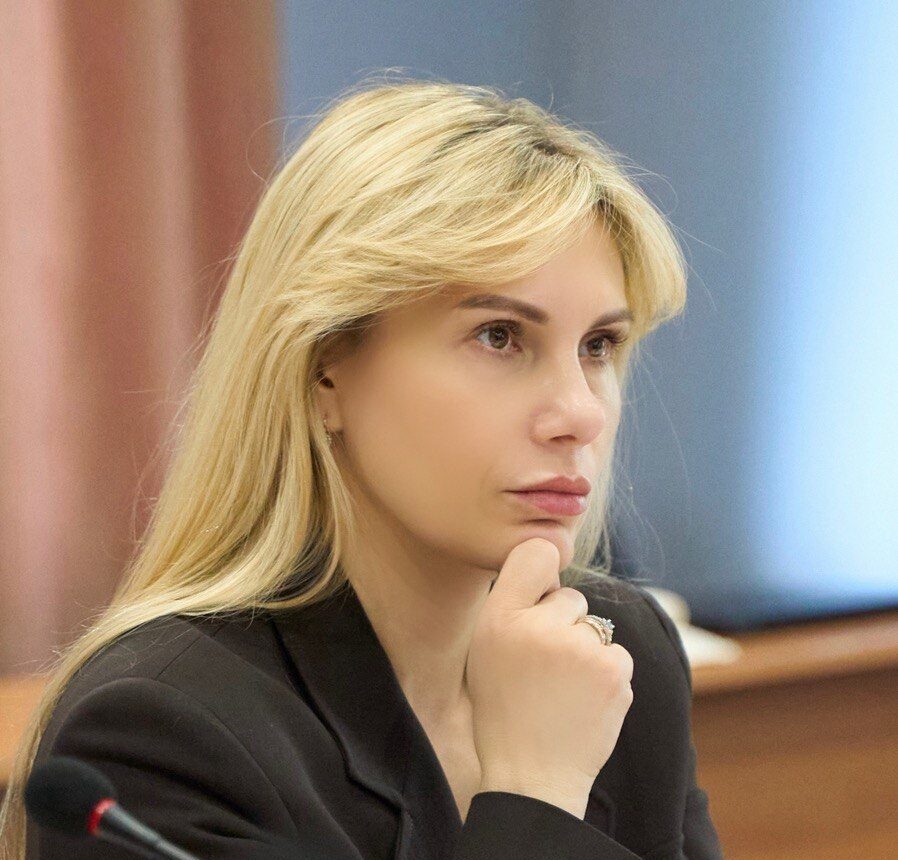
Olena Boryslavska
Head of the Department of Constitutional Law at Ivan Franko National University of Lviv, Doctor of Law, Professor
The Europeanization of Constitutional Jurisprudence: The Practice of the Constitutional Court of Ukraine
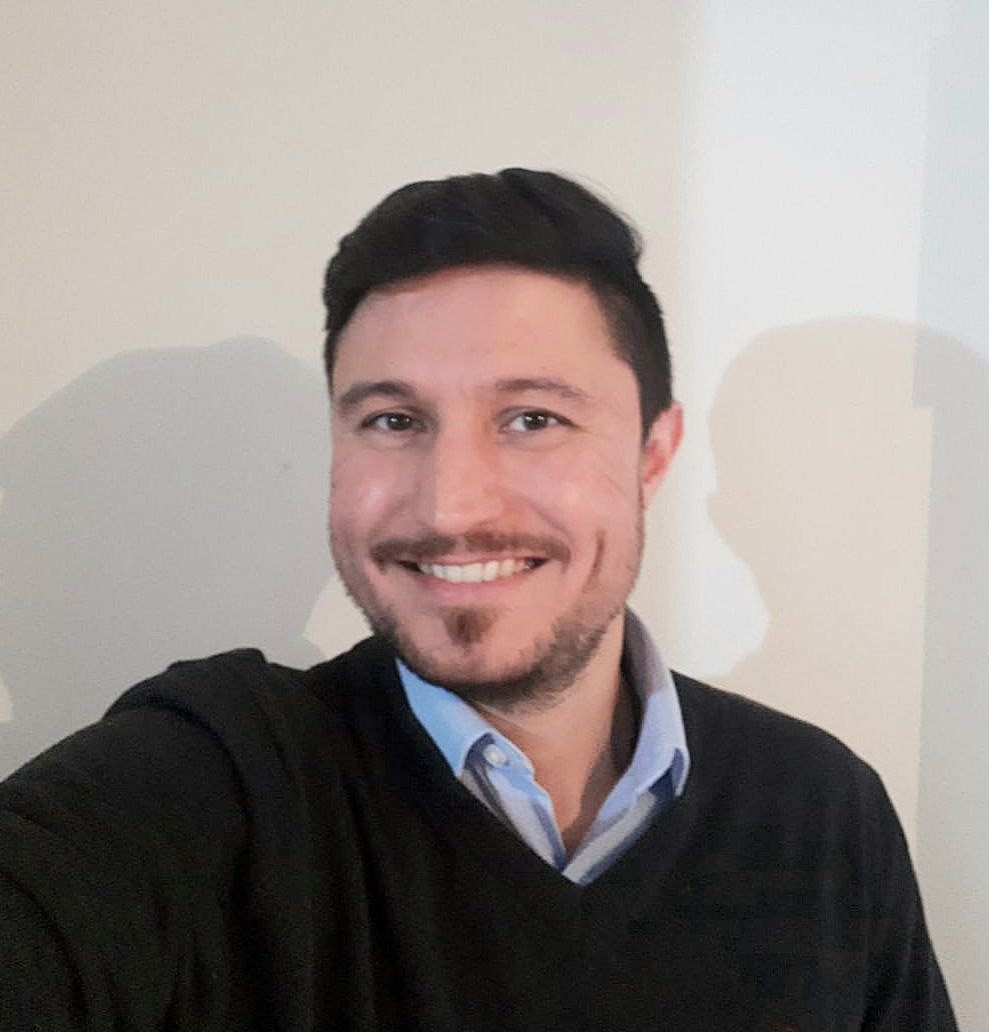
Nicolás Emanuel Olivares
Associate Researcher at CONICET, Associate Professor of Law at the University of Belgrano, Argentina, Ph.D. in Law and Social Sciences from the National University of Córdoba, Postdoctoral Fellow in Public Law at the Faculty of Law of the University of Girona, Spain
Демократична ерозія, конституційна стійкість і рефлексивний республіканізм
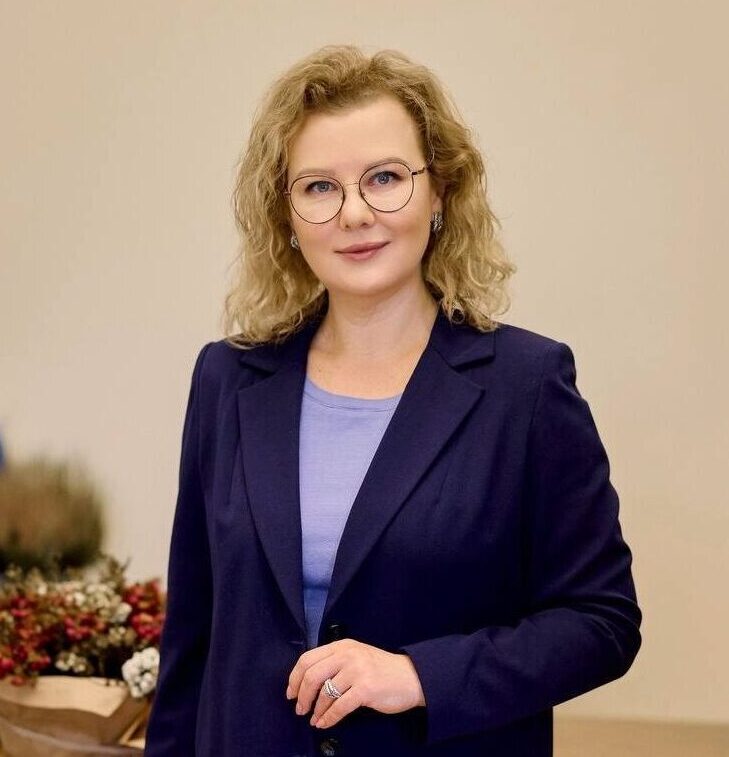
Oksana Vasylchenko
Director of the Educational and Research Institute of Law at Taras Shevchenko National University of Kyiv, Doctor of Law, Professor, Member of the Scientific Advisory Council of the Constitutional Court of Ukraine, Chair of the Advisory Group of Experts
Challenges in Implementing the Principle of Equality in Electoral Law During the Postwar Period
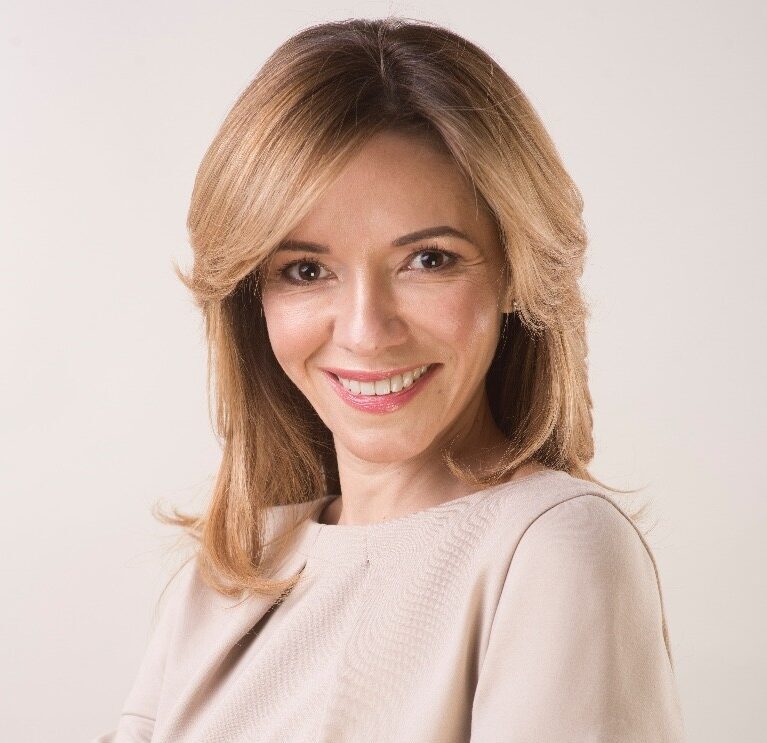
Olga Lotiuk
Doctor of Law, Professor, Head of Constitutional Law Department at the Taras Shevchenko National University of Kyiv
The Role of Local Democracy in Ensuring a Democratic Path During Wartime and Postwar Reconstruction

Oksana Shcherbanyuk
Doctor of Law, Professor in the Department of Procedural Law at Yuriy Fedkovych Chernivtsi National University
Обороноздатна демократія як механізм конституційної стійкості: баланс національної безпеки та прав людини в умовах війни і повоєнного правопорядку
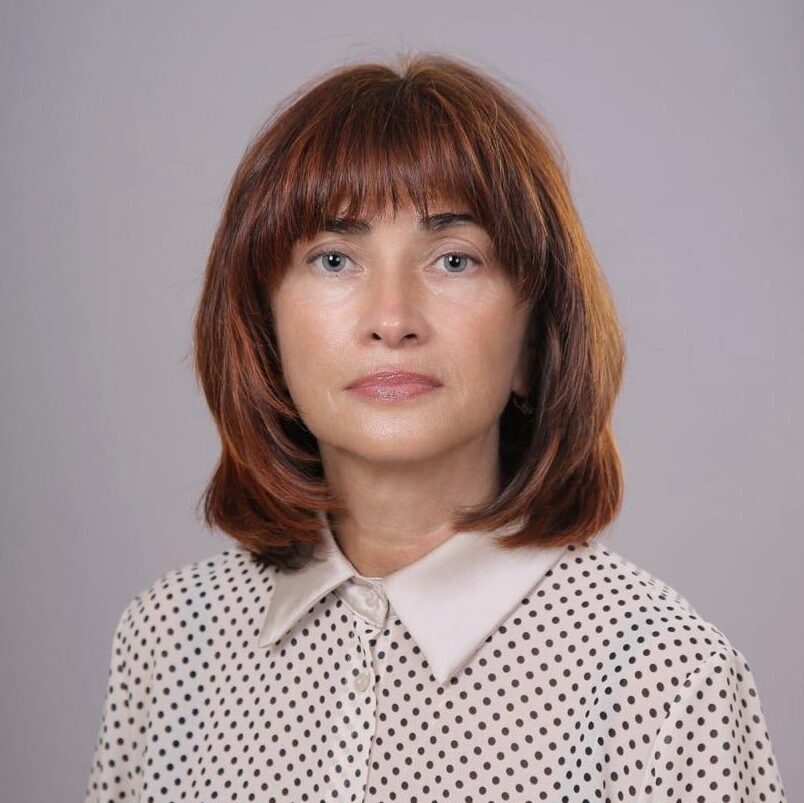
Tetiana Slinko
Professor at the Department of Constitutional Law of Ukraine, Head of the EULAC Law Hub Research Centre at the Yaroslav Mudryi National Law University
Constitutional Resilience of Democracy: Freedom of Expression and Media Convergence in the Case Law of the Brazilian Federal Supreme Court and the European Court of Human Rights
Grigory Berchenko
Doctor of Law, Professor, Chair of the Department of Constitutional Law of Ukraine at the Yaroslav Mudryi National Law University
Restrictions on the constituent power in the form of a ban on amending the Constitution of Ukraine during a state of war or a state of emergency