
Responsible Business Conduct and Ukraine’s EU Accession: From Policy to Sectoral Practice
September 21, 2026
Kharkiv / online
14:00 – 16:30 (EEST)
Working languages: Ukrainian and English with simultaneous interpretation
Ukraine’s reconstruction is taking place alongside a profound transformation of the country’s economic and regulatory environment driven by its accession to the European Union. For Ukrainian businesses, responsible business conduct (RBC) is therefore becoming more than a voluntary sustainability agenda. It is increasingly relevant to competitiveness, access to European markets and value chains, investment and financing, public procurement, and the expectations of international business partners.
At the same time, the European framework on corporate sustainability and human rights and environmental due diligence continues to evolve. For Ukrainian companies and policymakers, understanding these developments requires looking beyond the formal scope of individual EU legal instruments. Ukrainian companies may encounter due diligence expectations through relationships with European customers, investors, banks, lead contractors and other business partners even before such requirements apply directly under Ukrainian law.
Ukraine is also developing its own architecture for responsible business conduct. This includes work on a National Action Plan on Business and Human Rights / Responsible Business Conduct, discussion of a national framework for mandatory Human Rights and Environmental Due Diligence (mHREDD), implementation of OECD standards, and the development of practical guidance for companies and other actors involved in Ukraine’s recovery.
Russia’s war against Ukraine creates an additional layer of responsibility. Businesses operating in or connected to Ukraine need to assess not only traditional business, human rights and environmental risks, but also risks associated with armed conflict, occupation and de-occupation, sanctions, changing ownership and control of assets, displacement, worker safety, impacts on vulnerable groups and conflict-affected communities. This makes conflict-sensitive and heightened human rights due diligence particularly important in the Ukrainian context.
The session will bring these elements together within one coherent framework. It will begin with the broader policy and regulatory context — Ukraine’s European integration, developments in the EU, the National Action Plan and emerging mHREDD legislation — and then move from policy to implementation. A central part of the session will be the presentation of six sectoral guidelines on responsible business conduct covering extractive industries, agriculture, information and communication technologies, critical minerals, transport and logistics, and construction and infrastructure.
The guidelines translate international principles into practical sector-specific risks, red flags and recommended actions. Rather than presenting them as six separate publications, the session will demonstrate how they form part of a common RBC architecture and can help Ukrainian companies, investors, policymakers and other stakeholders prepare for the changing expectations associated with EU integration and responsible recovery.
Guiding question: What should Ukrainian companies, policymakers, investors and other actors start doing differently today to prepare for the responsible business environment in which Ukraine will increasingly operate?
Objectives: The session will explain the relationship between EU accession and RBC; clarify current European developments in business and human rights regulation; discuss the role of Ukraine’s National Action Plan and emerging mHREDD framework; introduce conflict-sensitive and heightened due diligence; and demonstrate how these principles can be translated into practical action through six sectoral guidelines.
This session is organised with the support of the Swedish Institute as part of the project “Responsible Business Conduct (RBC) in the Recovery of Ukraine”, implemented jointly by Yaroslav Mudryi National Law University, the Ministry of Economy and Environment of Ukraine, the Social Action Centre and Swedwatch.



Moderator
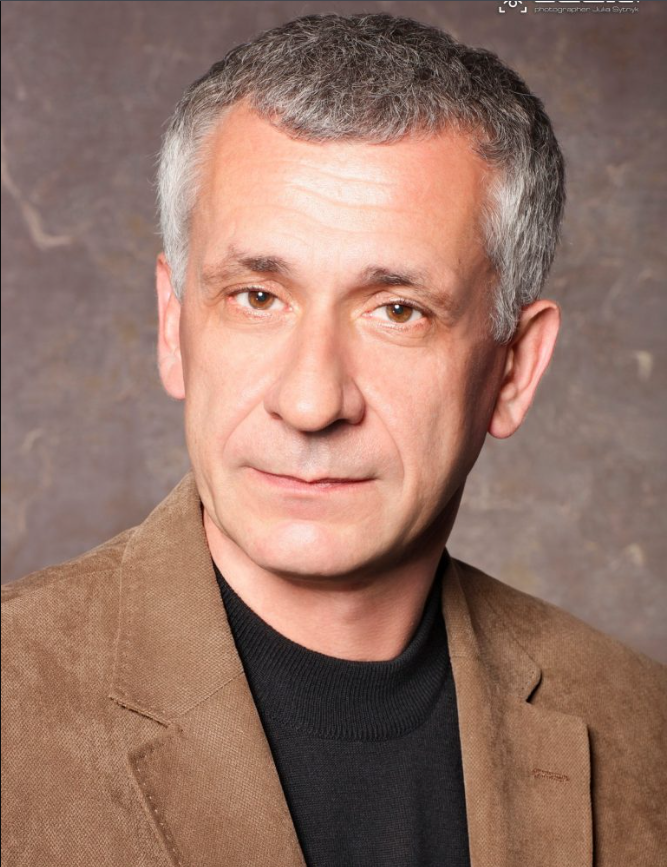
Olena Uvarova
Head, International Laboratory of Business and Human Rights, Yaroslav Mudryi National Law University; Business and Human Rights Specialist, UNDP
Speakers
Prominent legal experts and leaders of Ukraine and the world
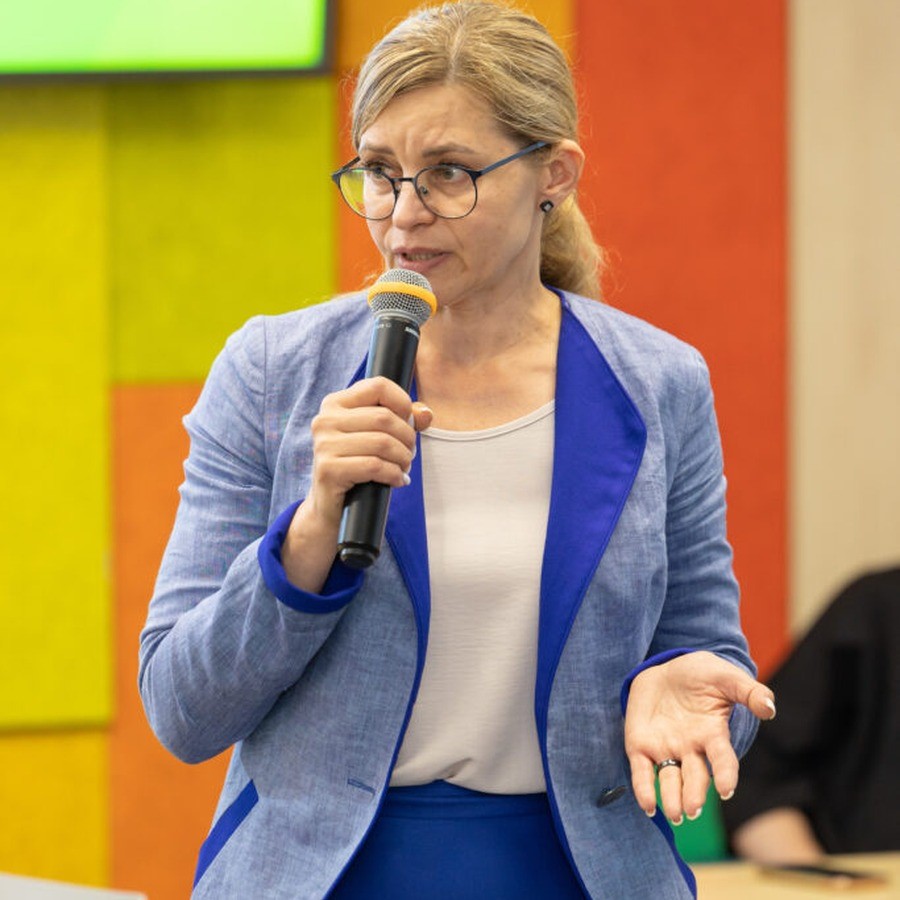
Maryna Kupchuk
Deputy Head, International Investment Cooperation and Promotion of Responsible Business Conduct; Secretary of the OECD National Contact Point in Ukraine, Ministry of Economy and Environment of Ukraine
Responsible Business Conduct in the Context of Ukraine’s European Integration and Recovery

Nadia Bernaz
Professor of Law and Corporate Justice, Wageningen University & Research; Director, EU Jean Monnet Centre of Excellence on Corporate Sustainability and Human Rights Law
European Regulation on Business and Human Rights: What Has Changed and What Does It Mean for Ukraine?

Olena Uvarova
Head, International Laboratory of Business and Human Rights, Yaroslav Mudryi National Law University; Business and Human Rights Specialist, UNDP
From International Principles to Ukraine’s National Action Plan

Claire Bright
Associate Professor in Private Law; Founder and Director, NOVA Centre on Business, Human Rights and the Environment, NOVA School of Law, Portugal. She joined Global Rights Compliance (GRC) in February 2026, where she is the Due Diligence Lead, working on the practical implementation of due diligence standards across various jurisdictions in Europe, Africa and Asia. She has also contributed to a research project on the pillaging of natural resources in Ukraine
From Voluntary Standards to Mandatory Human Rights and Environmental Due Diligence

Kateryna Buriakovska
Assistant Professor, Department of Human Rights and Legal Methodology, Yaroslav Mudryi National Law University; Postdoctoral Researcher, FAU Center for Human Rights Erlangen-Nürnberg
Why the Ukrainian Context Requires Conflict-Sensitive and Heightened Human Rights Due Diligence

Jessica Johansson
Programme Officer and Project Manager, Swedwatch, Sweden
From General Principles to Sectoral Practice

Irene Fedorovych
Director, Social Action Centre (Ukraine)
Equality, Inclusion and Meaningful Stakeholder Engagement in Sectorial Guideline

Iryna Shapovalova
Attorney, Managing Partner at Iryna Shapovalova Law Firm, lobbyist, founder of the Lobbyists’ Office, accredited with the EU Transparency Register
Advocacy and Lobbying as Tools for Responsible Business Conduct Under UN and OECD Standards

Nataliia Smetanina
Candidate of Legal Sciences, Associate Professor, Associate Professor in the Department of Criminal Law Policy, Head of the Authorized Unit for the Prevention and Detection of Corruption, Yaroslav Mudryi National Law University, participant in the international project “ACT – Addressing Corruption Together” (Sweden, Moldova, Ukraine)
Anti-Corruption Compliance as a Tool for Preventing Corruption in the Private Sector: Challenges and Prospects for Legal Framework