
Legal clinical education: 30 years of institutionalization through real practice and and self-improvement
September 24, 2026
Kharkiv / hybrid
13:00 – 16:00 (EEST)
This panel is dedicated to a comprehensive analysis of the 30-year development of the legal clinic movement in Ukraine — from its historical origins and initial methodological developments to the establishment of an extensive network of legal clinics and the identification of prospects for its further development. In 2026, the legal clinic movement in Ukraine will mark the 30th anniversary of its revival, providing an opportunity to reflect on the path taken, the results achieved, and the current role of legal clinics in the legal education system.
The relevance of this panel stems from the fact that legal clinics have gradually established themselves as a stable institution for the practical training of future lawyers, capable of adapting to large-scale societal challenges. The pandemic and full-scale war have demonstrated their ability to simultaneously fulfill educational and social functions: providing practical training for students and offering legal assistance to internally displaced persons, military personnel, veterans, and their families, as well as participating in the documentation of war crimes.
The panel will systematically examine four interrelated dimensions of the legal clinic movement’s development: its origins and institutionalization; the experience of international partners; the current state of the movement and the role of key stakeholders; and future prospects. Participants will discuss the historical background of the movement’s formation, the influence of foreign models, and the experiences of international partners, as well as contemporary innovative approaches used by legal clinics and their contribution to students’ practical training and ensuring access to justice.
The main issues to be discussed during the panel include: the sustainability of legal clinics in times of war and crisis; their role as crisis-response legal centers; the development of partnerships with government and professional institutions; as well as stakeholders’ expectations and visions regarding the future operation of legal clinics and the future employment of student clinicians. Key topics include the strengths and weaknesses of the modern legal clinic movement, opportunities for international cooperation, the use of online and hybrid formats, mentoring, digital tools, and artificial intelligence, as well as the potential of legal clinics as hubs of civic engagement.
The goal of the panel is to develop a shared vision for the future development of legal clinics as independent and mature institutions of practical legal education. The practical outcome should be the identification of specific areas for institutional development, the strengthening of partnerships, the implementation of innovative educational approaches, and the utilization of the practical potential of legal clinics to improve the quality of the legal profession in Ukraine.
Moderator
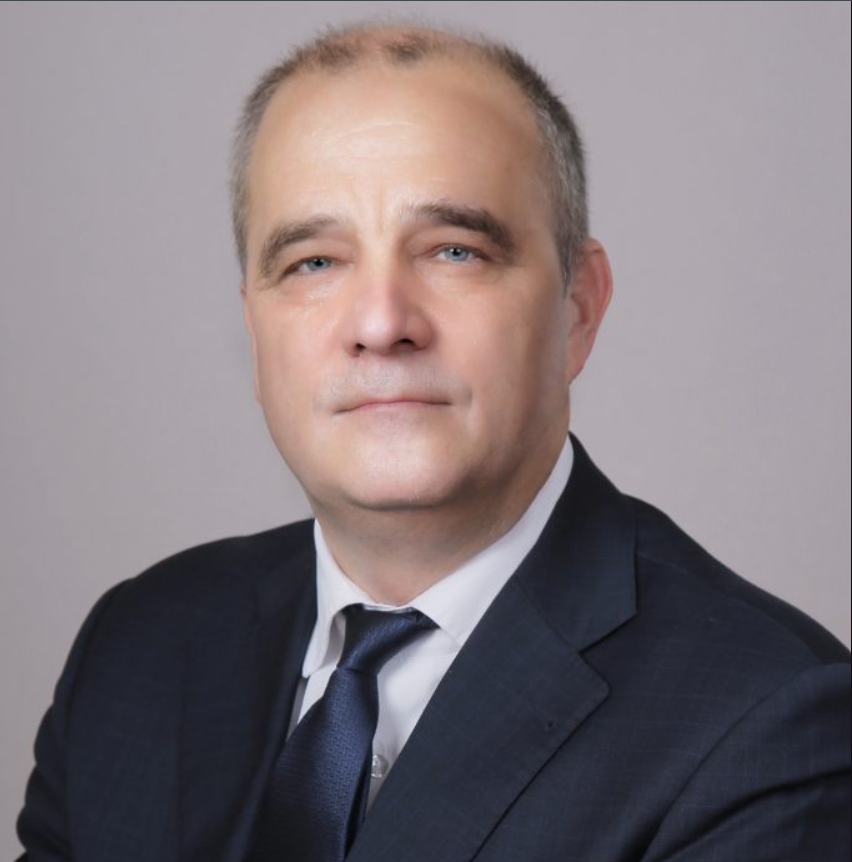
Victor Yanyshen
Candidate of Legal Sciences, Associate Professor in the Department of Civil Law, Director of the Legal Clinic at Yaroslav Mudryi National Law University
Speakers
Prominent legal experts and leaders of Ukraine and the world

Leah Wortham
Professor of Law at the Columbus School of Law at The Catholic University of America (CUA), where she has been on the faculty since 1981. Her professional interests include legal ethics, criminal law, and clinical and practice-oriented legal education. Professor Wortham has over thirty years of international experience in the development of clinical legal education and innovative teaching methods in more than 35 countries. She is also a co-rapporteur for the European Law Institute’s project on European standards for judicial independence. In 2025, she was honored with the Global Alliance for Justice Education’s highest award — the N. R. Madhava Menon Award — for her significant contributions to the development of legal and justice education worldwide.
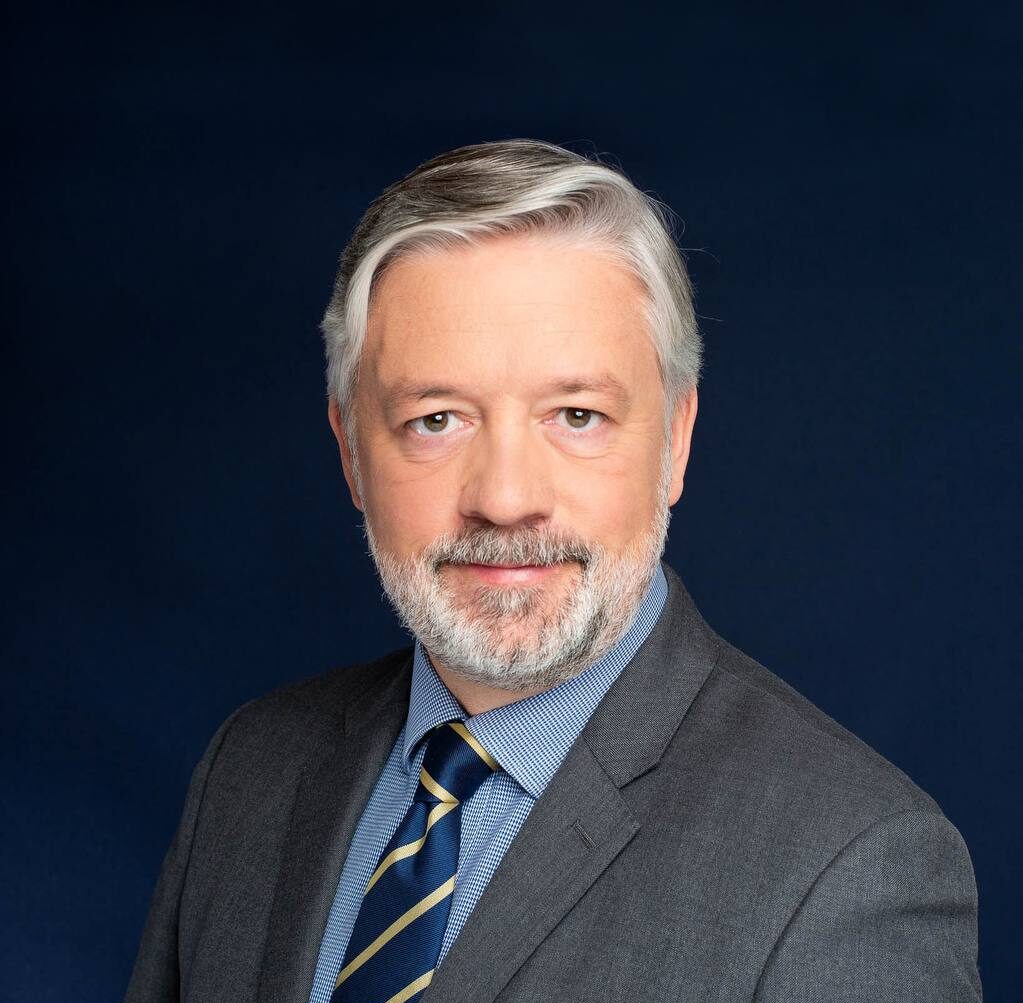
Filip Czernicki
Attorney, Doctor of Law, graduate of the Faculty of Law at the University of Warsaw. President of the Foundation for Polish Legal Clinics since 2002 and Co-President of the Global Alliance for Justice Education. His professional work focuses on the development of legal clinical education, practical legal training, pro bono activities, and ensuring access to justice in Poland and Eastern European countries. He is the author of numerous publications on legal clinics, pro bono work, and access to justice. He has been awarded the Gold Cross of Merit by the President of the Republic of Poland and the European Pro Bono Award.
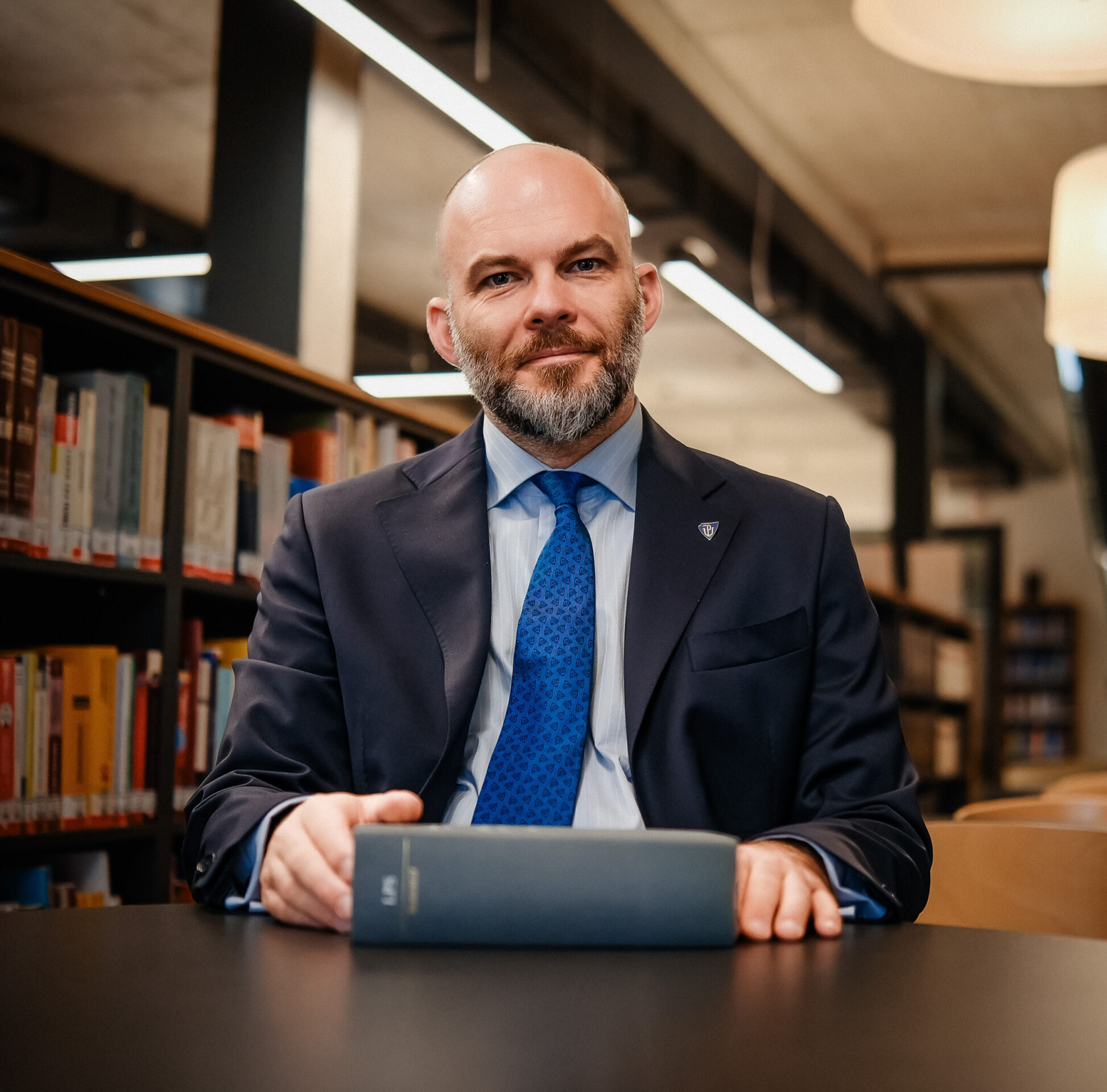
Maxim Tomoszek
Associate Dean for Master’s and Bachelor’s Programs and Senior Lecturer at the Faculty of Law, Palacký University in Olomouc. He works in the Department of Constitutional Law and the Department of Clinical Legal Education and Professional Competency Development
Impact of 30 years of Clinical Legal Education in Central and Eastern Europe
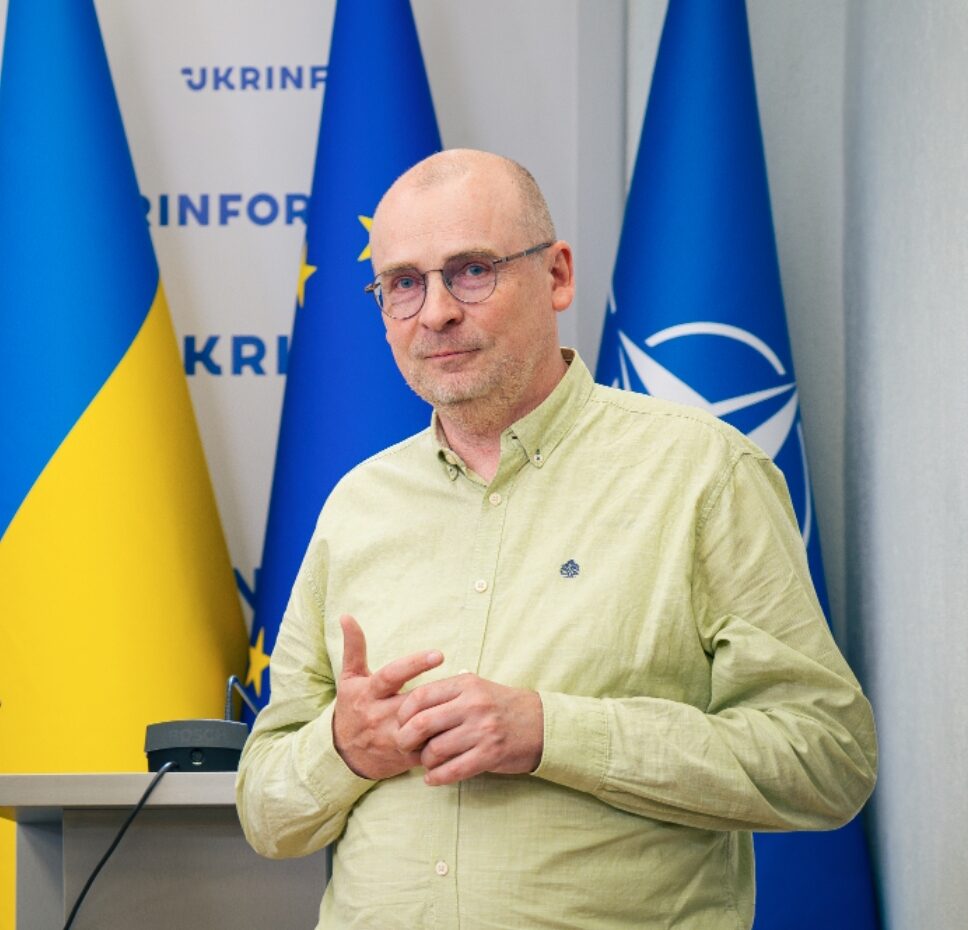
Andriy Galay
Director of the Research Center at the Penitentiary Academy of Ukraine, Doctor of Law, Professor. Formerly a high-ranking government official and president of the Association of Legal Clinics of Ukraine. Active in the legal clinic movement since 1999. Author of numerous works on effective public administration and high-quality legal education
What Does the Future Hold for Legal Clinics in Ukraine? A Personal Perspective
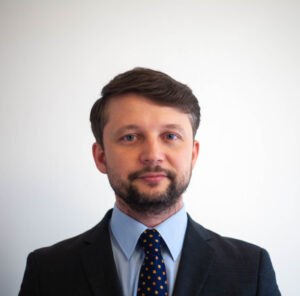
Mykola Sioma
He holds a PhD in the philosophy of law and is a graduate of the National University of Kyiv-Mohyla Academy and the Yaroslav Mudryi National Law University. Since 2013, he has served as director of the Ukrainian Legal Aid Foundation. He works to promote access to justice, professional pro bono activities, and practical legal education through a network of university legal clinics in Ukraine. He has been directly involved in developing the free legal aid system, the Custody Records system, and the Network of Legal Clinics of Ukraine. He is the founder of the Pro Bono Clearing House — a platform that connects civic initiatives with professional legal assistance
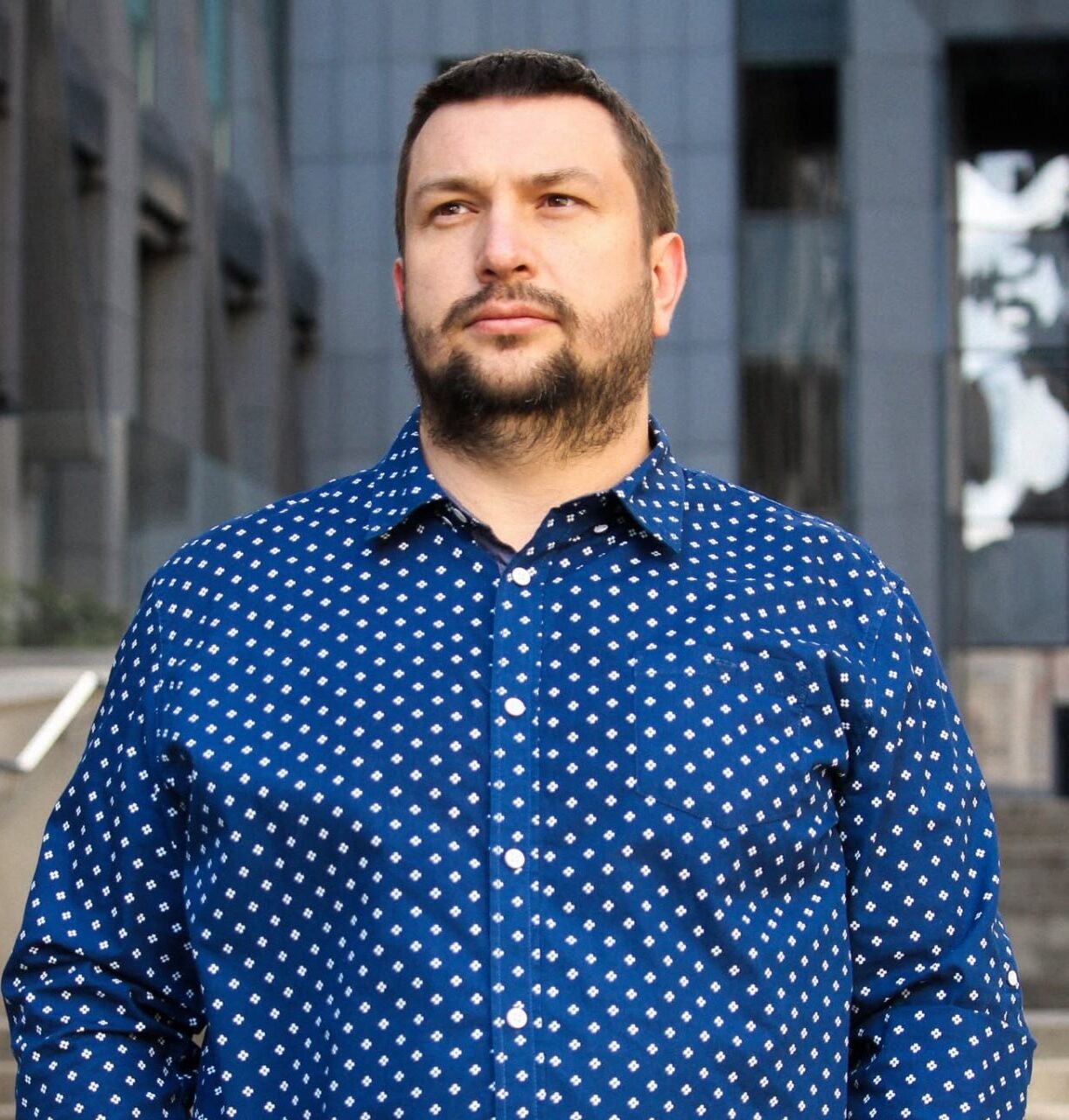
Vadym Lanyuk
Sales Director at LIGA ZAKON, Ph.D. candidate. Expert in digital transformation and the implementation of AI solutions in business processes. Research interests: digitization and digital transformation

Iryna Bilyayeva
Managing Partner and CEO of Juscutum. She is responsible for the company’s strategic development, partnerships, and client relations. She specializes in issues related to the responsible use and regulation of artificial intelligence and actively fosters collaboration between the business sector, the government, and the legal community. Under her leadership, Juscutum was named to Forbes Ukraine’s Next 250 list, launched Ukraine’s first artificial intelligence practice, and was shortlisted for the Financial Times Innovative Lawyers Europe award in 2026. Iryna is also an ambassador for the “Vse Sama” project and has been recognized as one of the most influential women in Ukraine’s FinTech and legal markets
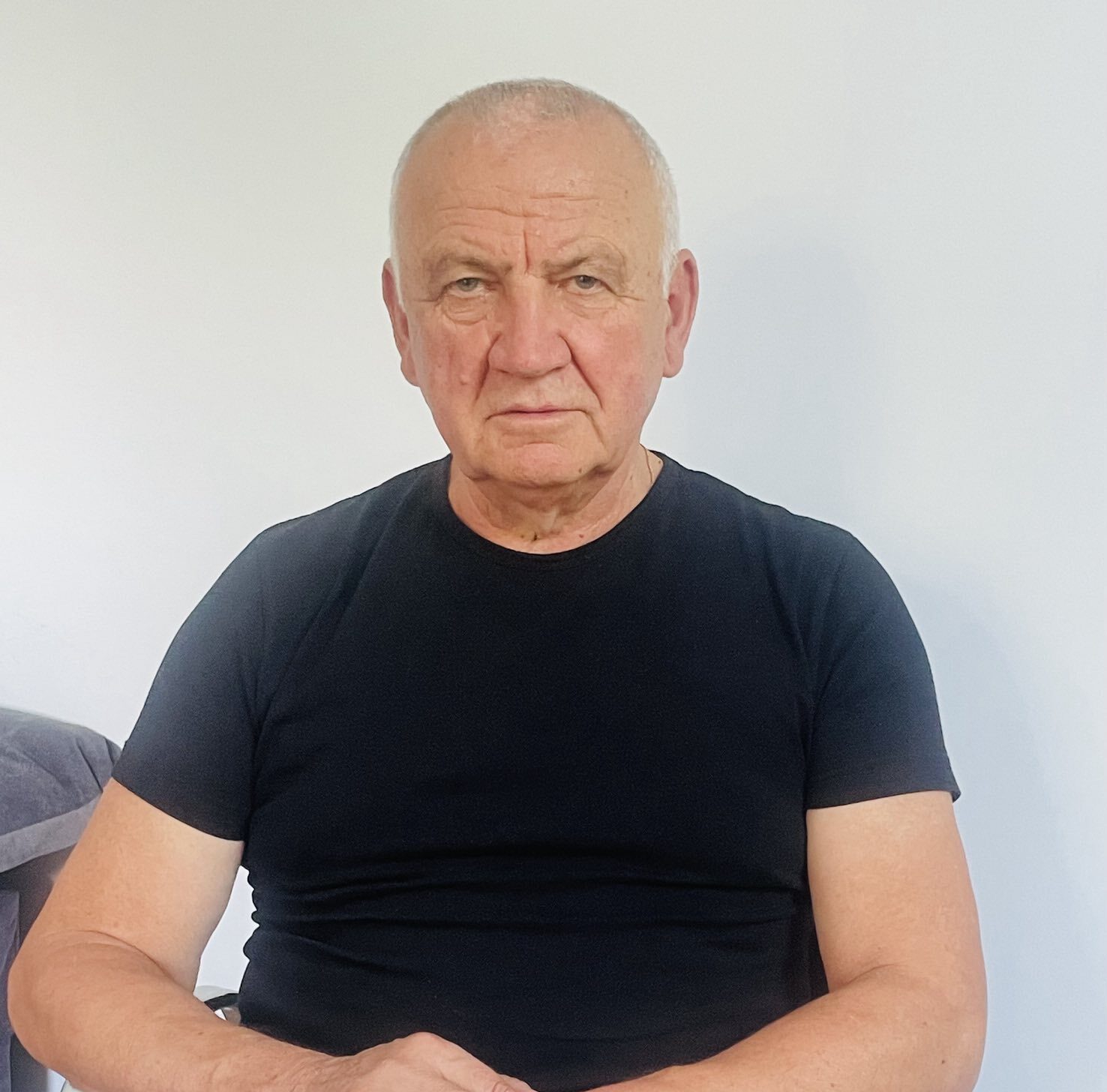
Vitaliy Yelov
Attorney, member of the board of the All-Ukrainian Coalition for Legal Aid, member of the NAAU Committee on Engagement with Civil Society, director of the “Ad Astra” Legal Clinic at Lesya Ukrainka Volyn National University, co-founder of the Association of Legal Clinics of Ukraine